
Queerness is prevalent in many different forms across the world of animals.
Same-sex sexual behavior has been documented in more than 1,500 species. Many animals also have the ability to change their sex, and some species have a combination of sexes.
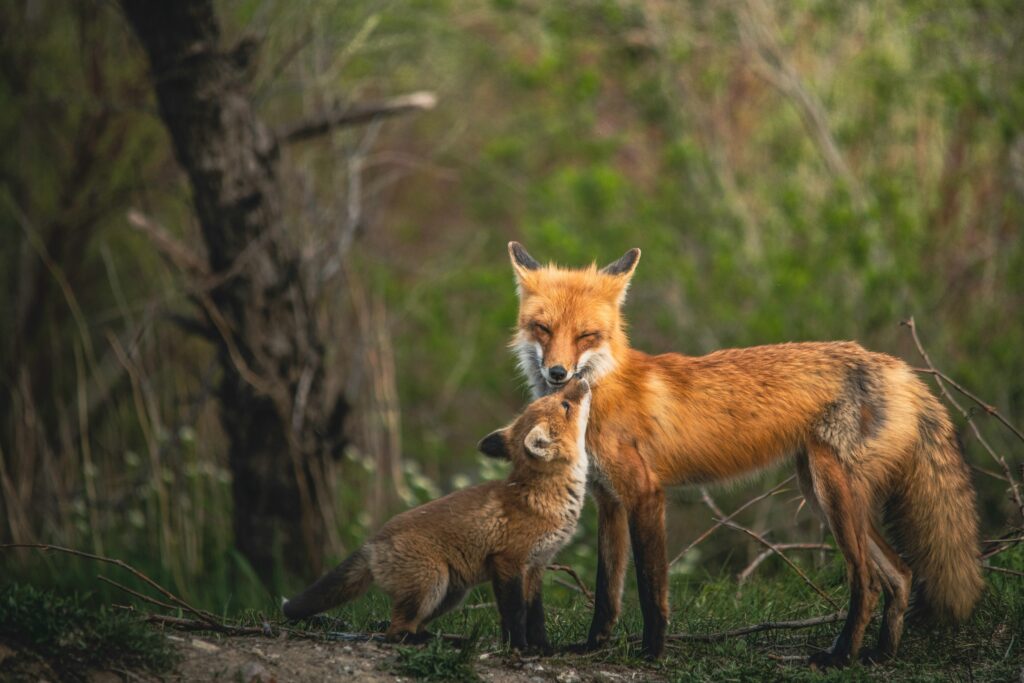
In Tennessee, red foxes commonly engage in homosexual mating with multiple partners outside the breeding season. Males typically display equal preferences for female and male partners, but female foxes are more oriented toward same-sex relationships.
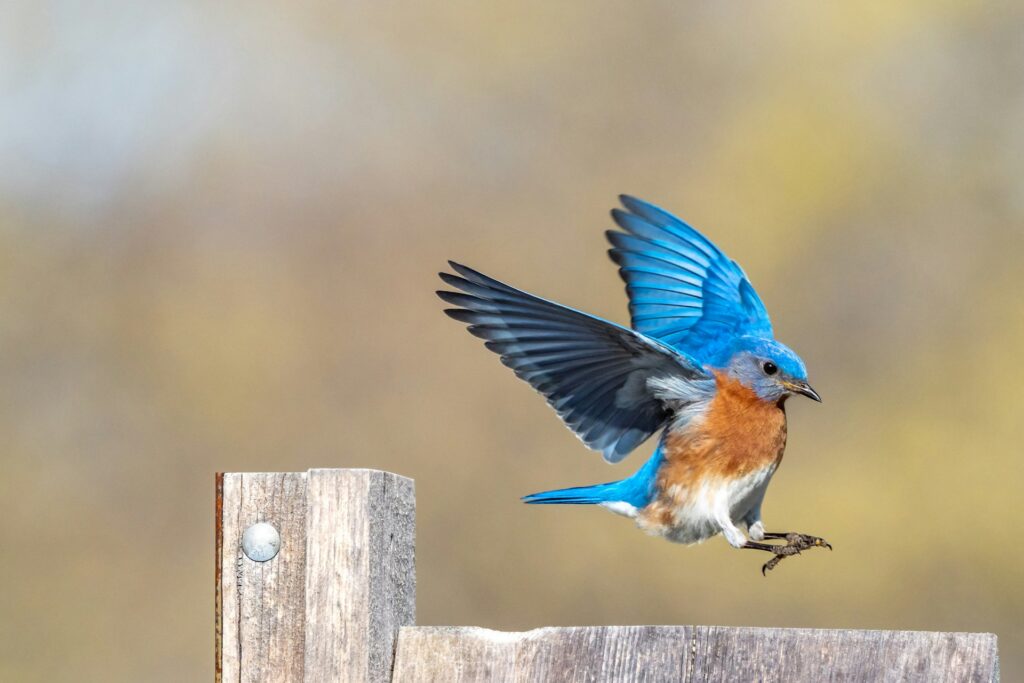
Male southeastern blueberry bees mount each other, scientists have documented, and eastern bluebirds engage in ritual exchanges of food gifts with all genders.
 Courtesy Patrice Bouchard/Unsplash
 Eastern bluebirds engage in food exchange gifts with all genders.
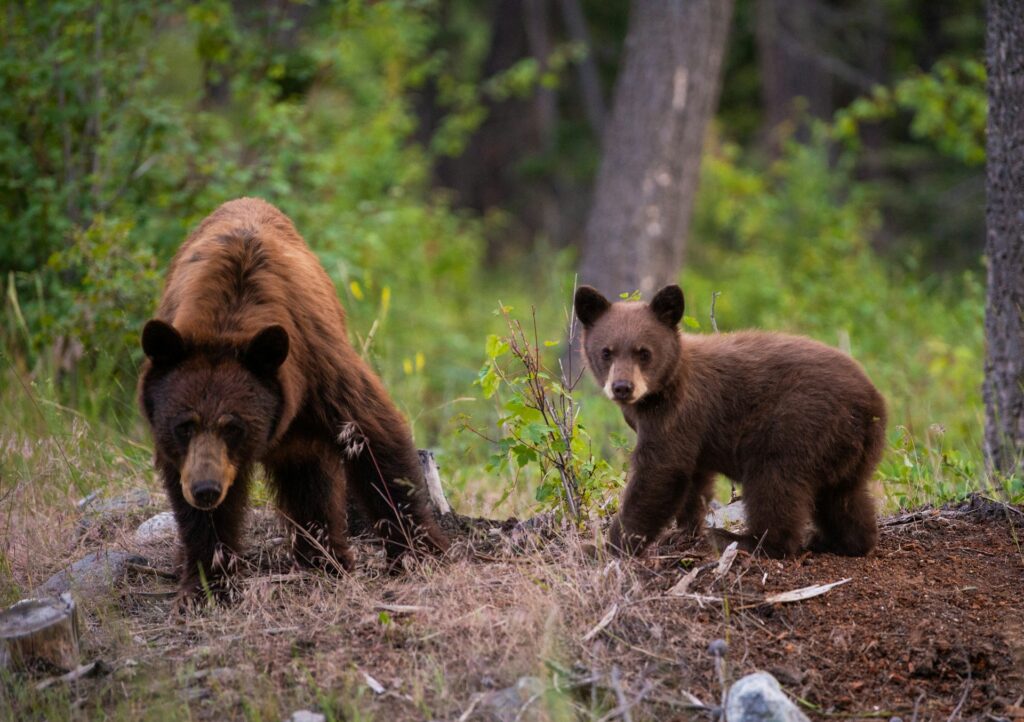
Female black bears co-parent cubs together. Male bears rarely play a role beyond mating in raising their young. Female barn owls in captivity have also co-parented, and, in some cases, the owls ignored subsequent introductions of opposite-sex partners.
Are most animals queer?
Across the planet, there is abundant diversity in how animals form relationships, interact and procreate.
Female bonobos, a close phylogenetic relative to humans, are more likely to have homosexual encounters than heterosexual ones. Male bottlenose dolphins form long or even life-long relationships with other males during which they travel the ocean, hunt for food and engage in sexual behavior together.
Clownfish have a social hierarchy with females at the top, and when a female clownfish leader dies, the second-in-command male clownfish will become female. Some species, like butterflies and beluga whales, can be a combination of sexes.
Female Laysan albatrosses in Hawai’i share nests, mount each other sexually and raise their young together — and may only engage with males sexually as if they are, anthropomorphically, sperm donors.
Scientists have shifted their thinking in recent years such that it may be rare to find a species that does not show some form of “queerness.”
“The most obvious assumption is that most species of animal probably exhibit some form of queer behavior, and being a purely heterosexual species is the exception,” Josh Davis, a science writer at London’s Natural History Museum, wrote in the book “A Little Queer Natural History.”
 Courtesy Ben Owen/Unsplash
 Female black bears, which can be multiple colors, co-parent with other female bears.
Scientists documented same-sex sexual behavior in wildlife as early as the 1700s. Many scientists dismissed or even condemned such observations due to historically negative attitudes towards homosexuality in humans. Even today, same-sex sexual behavior among mammals is widely observed but seldom reported.
But more research is happening with new frameworks of thinking. There is a growing field of study called queer ecology that could correct biased interpretations of data, according to a national group of researchers.
“We can strengthen the reciprocal relationship between science and society, where advances in one transform the other, collectively moving towards knowledge that is more accurate, reproducible, and inclusive,” researchers wrote in the journal Ecology and Evolution earlier this year.

 On Air - 90.3 WPLN-FM