

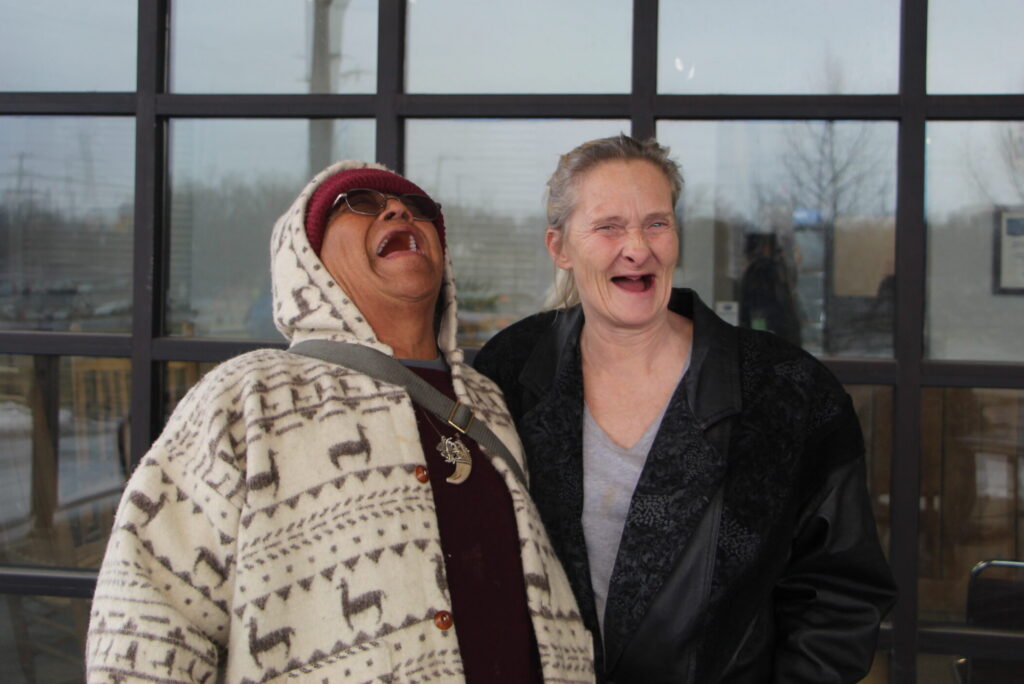
When hundreds of thousands of Nashvillians lost power, Metro — in a rare move — opened additional warming stations across the city. The Nashville Fire Department opened its station doors, and most police precincts were made available to residents without power. Four sites opened with overnight accommodations: the Nashville Fairgrounds and the Southeast, Madison and Bellevue community centers.
The overnight shelters were operated by the American Red Cross, and the city provided transportation to those in need. On peak nights, about 400 people stayed in these shelters.
Nashville has multiple types of shelters. Typically, year round, people can turn to shelters like the Nashville Rescue Mission or Room In The Inn. During cold snaps, Metro opens an emergency “overflow” shelter — though operating that has been a challenge.
The extremes of this storm prompted even further measures with the additional sites, and they remained open around the clock. That difference, along with available security, showers and hot meals, made for enjoyable stays for some displaced residents.
“I’ve been eating like a little cow in there,” said Shelly Damron, who stayed at the Fairgrounds. “Actually, I need to go on a diet now because I’ve been in there too long.”
 Cynthia Abrams WPLN News
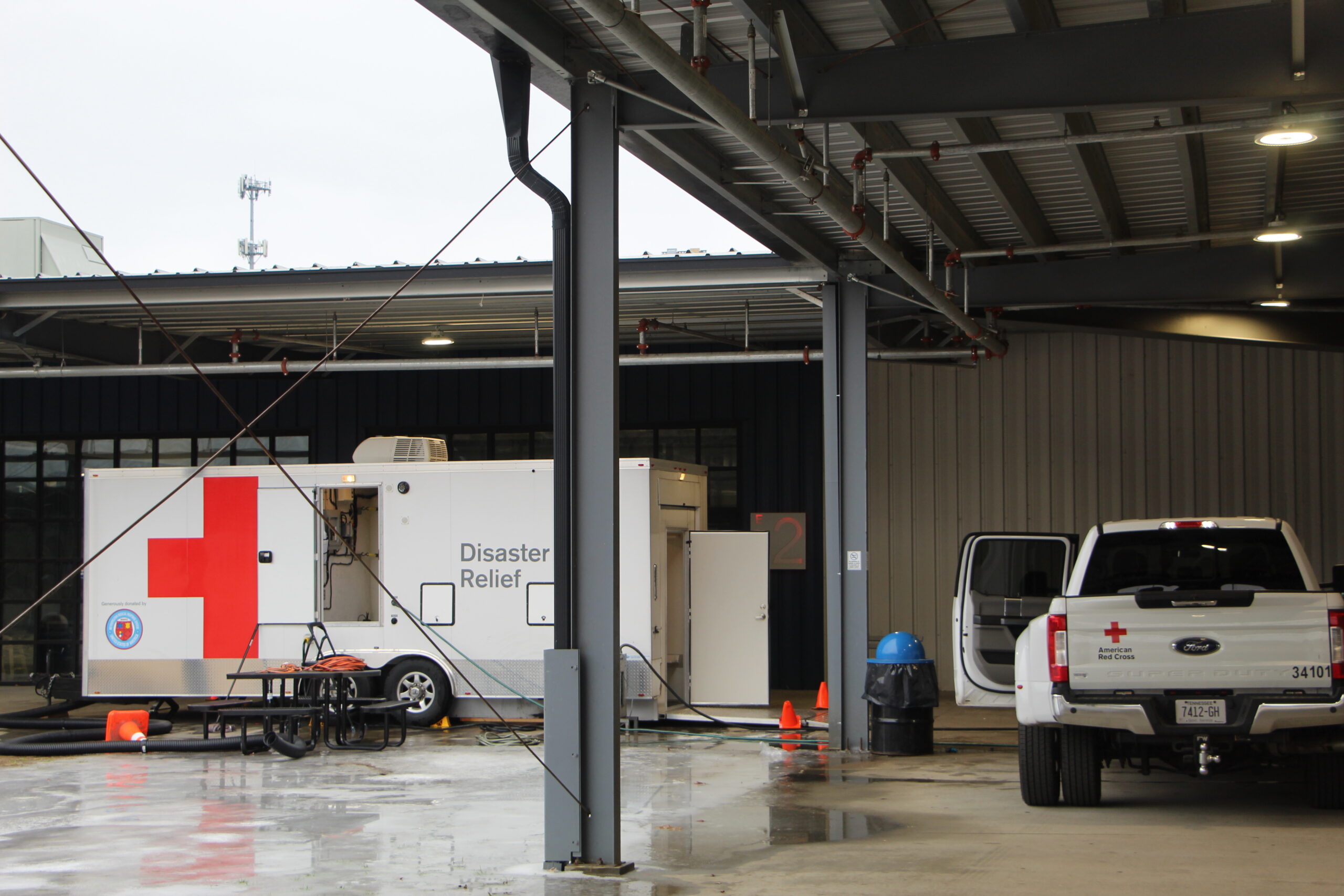
The Nashville Fairgrounds was one of four locations to provide overnight shelter accommodations.
Damron lives in Madison, and lost power at the onset of the ice storm. After sleeping in her car for four days, she came to the Fairgrounds shelter with her daughter and son-in-law.
“If you don’t have no lights and you live in Nashville, just come to the Fairgrounds, to the warming shelter, and they’ll take care of you,” she said.
Her daughter, Hannah Taylor, agreed.
“As far as the Red Cross goes, they’re really excellent people,” Taylor said. “They feed you good, they give you clothes, they’re a good resource.”
 Cynthia Abrams WPLN News
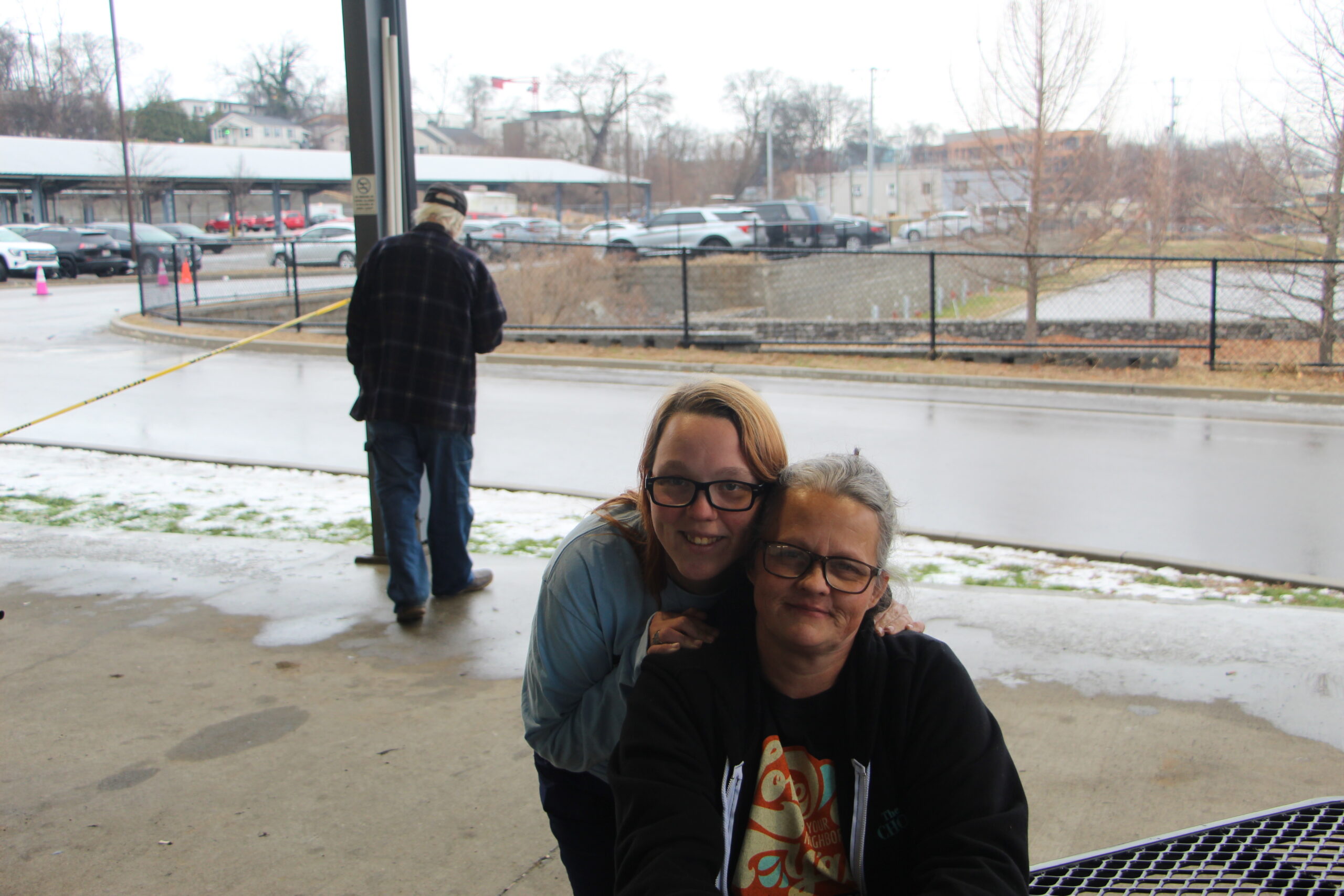
Hannah Taylor and her mother, Shelly Damron, stayed at the Nashville Fairgrounds shelter after their home in Madison lost power.
While the shelters opened to support people whose homes lost power, they’ve been available to everybody. Mike Sanchez — who has been experiencing homelessness — opted for the Fairgrounds.
“I was riding on the bus and somebody told me there was a shelter here, so I get off here and I walk in and they let me in,” Sanchez said. “I’m happy.”
Sanchez, who was wearing a coat provided by the Red Cross, said he felt safe and comfortable, and had befriended the people sleeping nearby.
“Every morning when I wake up, I wake up happy,” he said.
Shelters wind down
As people regain power (as of 9 a.m. Friday, about 600 Nashville Electric Service customers remain without electricity), warming stations are beginning to cease operations. The shelter at the Fairgrounds, which housed the most people in the aftermath of the storm, closed Wednesday and the warming station at the Southeast Community Center closed Thursday. Madison will close on Saturday, while the Bellevue Community Center shelter will remain in operation.
While Damron, Taylor and Sanchez described positive experiences, many Nashvillians have been outspoken about their frustrations with the city’s response to the ice storm. The topic was a through-line during the public comment period and pre-budget public hearing at the Metro Council meeting earlier this week.
“I want to talk about Winter Storm Fern and the ongoing catastrophe that has been our city’s response,” Stand Up Nashville organizer Cade Wooten told the council. “I know many in this room have been hit hard and the impact is ongoing. Thousands are still without power or heat. Many workplaces are still closed … and it’s about to get worse. Numbers of evictions filed this month were up 50% from last year … and in this case, the city has not responded with anything close to the urgency the moment demands.”
Many leaders — ranging from Nashville Mayor Freddie O’Connell to U.S. Senator Marsha Blackburn — have criticized NES for its handling of the mass outages. Several members of Nashville’s Metro Council signed a letter criticizing the utility, and O’Connell has created a “Winter Storm Response Commission” to investigate the storm response by NES and other Metro agencies.

 On Air - 90.3 WPLN-FM