
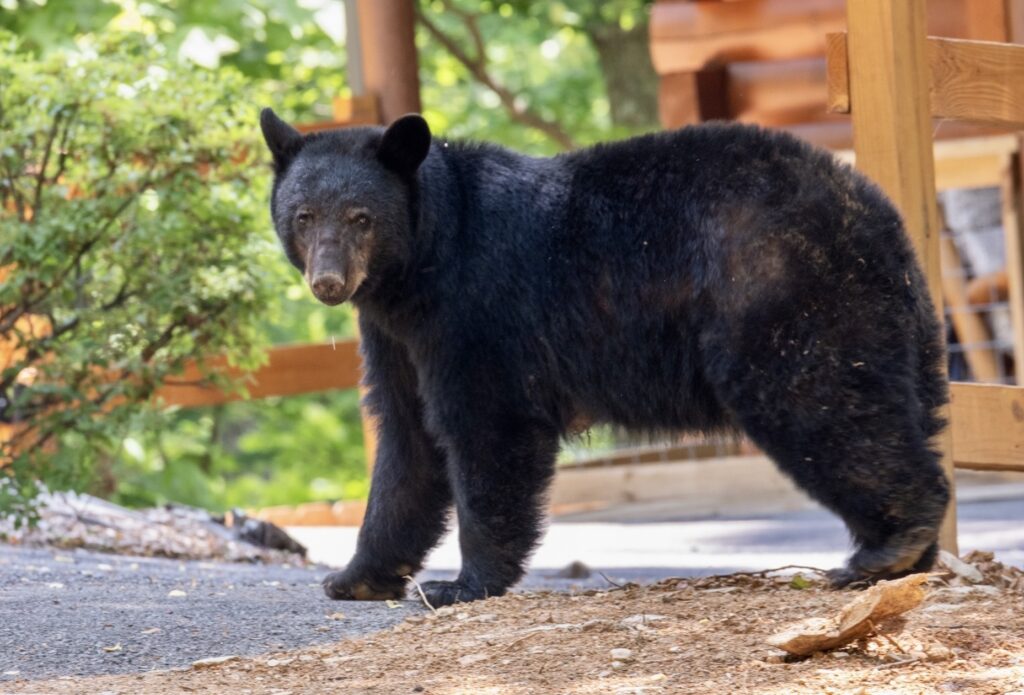
Black bears are on the move this summer, and they are showing up in Middle Tennessee.
Bears have been spotted in Hickman, Dickson, Wilson and Sumner counties in recent weeks, according to the Tennessee Wildlife Resources Agency.
While bears tend to hang around the forests of the Cumberland Plateau and East Tennessee, including in the Great Smoky Mountains National Park, they sometimes travel far west. Bears from southern Kentucky may also occasionally cross state lines.
More: Black bears are threatened by climate change. How can we help? | WPLN News
In the late spring and early summer, adolescents about a year or so old disperse from their mothers in search of a new home range. Black bears may travel 40 miles in a single day, and male black bears have home ranges up to 300 square miles. While TWRA says sightings in the area are uncommon, their travels may lead them as far as Middle Tennessee.
Bears have even been spotted in Nashville. Lone bears were reported in the city in 2018 and 2023.
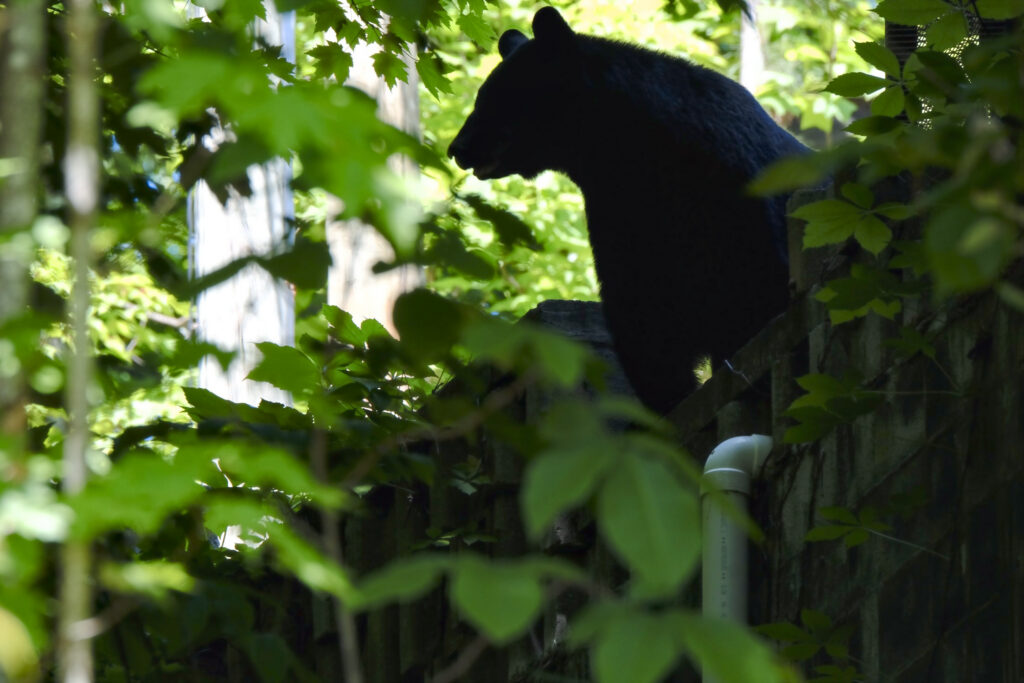 Caroline Eggers WPLN News
A black bear walks across a driveway in Gatlinburg, Tenn. on May 20, 2026.
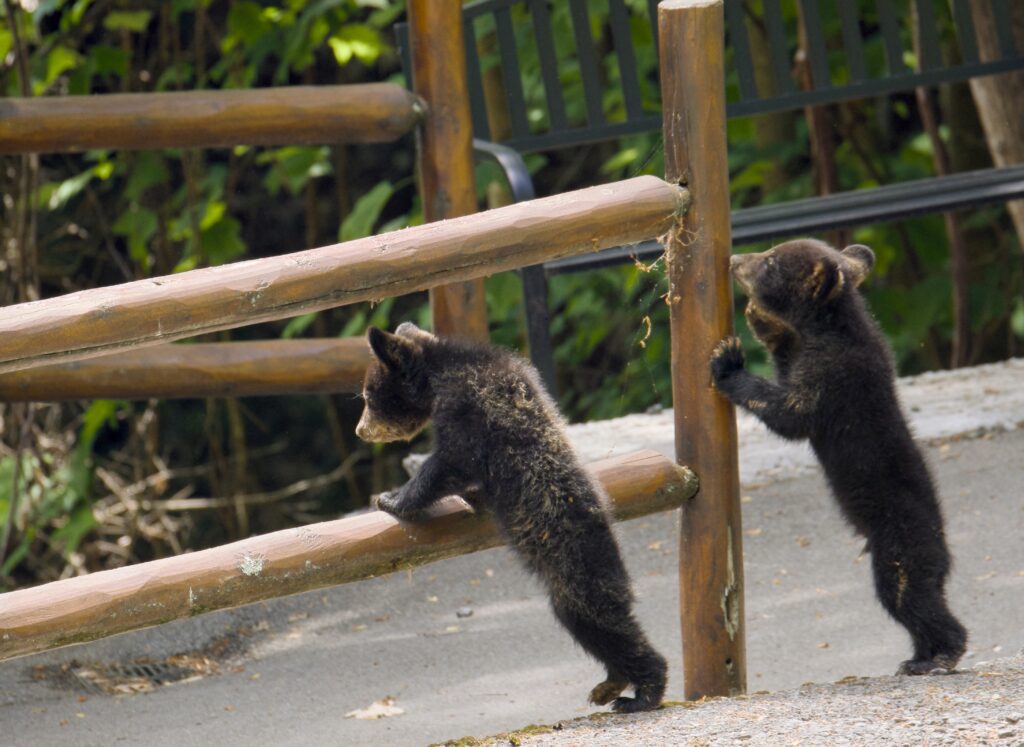 Caroline Eggers WPLN News
Black bear cubs inspect a fence in Gatlinburg, Tenn. on May 20, 2026.
TWRA asks that folks report any sightings and follow safety practices. Bears in Middle Tennessee tend to move through quickly, but if a bear lingers, the agency recommends securing garbage and removing pet food and birdseed from the outdoors.
The historical range of black bears covered all of Tennessee, but centuries of logging, mining, fire suppression and hunting forced bears into the high terrain of the Appalachian Mountains.
Pressures from development and hunting still exist today, and climate change can impact their habitat, diet, behavior and movement.
“As we develop these areas that bears have historically inhabited, and as bears reclaim areas that they used to inhabit, they run into our roads and our houses and our cars and us,” Greg Grieco, director of the Appalachian Bear Rescue, told WPLN.
The best way to support bears, he said, is to protect their habitat.

 On Air - 90.3 WPLN-FM