

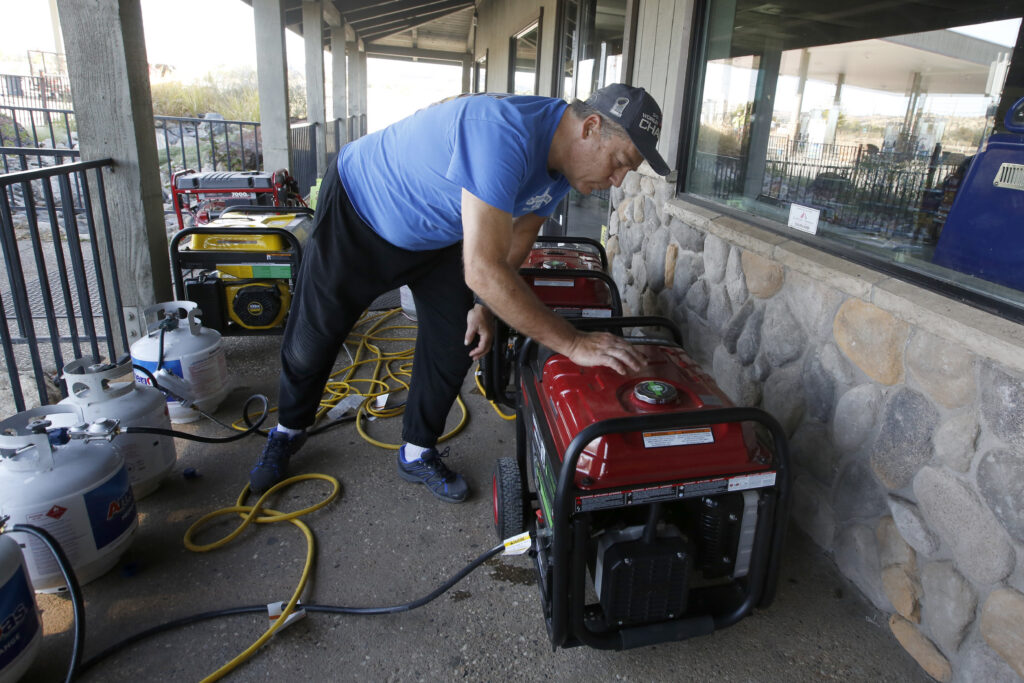
Two men have been found dead in Nashville during the winter storm of apparent carbon monoxide poisoning.
Local officials described the two deaths in daily briefings. The first, a 39-year-old man was found in his bedroom by roommates, who noticed there was a generator running in the room. A 92-year-old man was found in his home. It’s unclear where the generator was running in his case.
Monroe Carell Jr. Children’s Hospital has treated 49 children for carbon monoxide poisoning this week, according to a written statement from the administration.
“Children are more sensitive to it because of their small body size, and the fact that they also breathe faster than adults do,” said Dr. Rebecca Bruccoleri. She’s the director of the Tennessee Poison Center, which is housed within Vanderbilt.
But Tennesseans of all ages have reported carbon monoxide sickness to the center this week.
“We’re still seeing occasional cases coming in,” Bruccoleri explained on This Is Nashville on Thursday. “I checked last night for our poison center data, and we cover the entire state of Tennessee. We had 107 cases that occurred within the last week.”
Vanderbilt physicians were raising alarms ahead of the storm. On Friday, the medical center released advice from Stacey Pecenka, manager of the Pediatric Trauma Injury Prevention Program at the children’s hospital.
“Installing a carbon monoxide detector is the only way to know if there are dangerous levels of the gas present,” it read. “And please note that smoke alarms and carbon dioxide detectors are not the same thing.”
The odorless, colorless gas can become poisonous and even lethal with bad ventilation. The first sign is flu-like symptoms: headache, nausea, vomiting and fatigue. Extended use of a gas fireplace can allow buildup. So can running a car in the garage, even with the door open, or running a generator too close to the house.
During a Tennessee Emergency Management Agency briefing, after listing the death totals in each county, Director Patrick Sheehan said they are urging Tennesseans to make sure generators are more than 20 feet away from the home and to be using carbon monoxide detectors.

 On Air - 90.3 WPLN-FM