

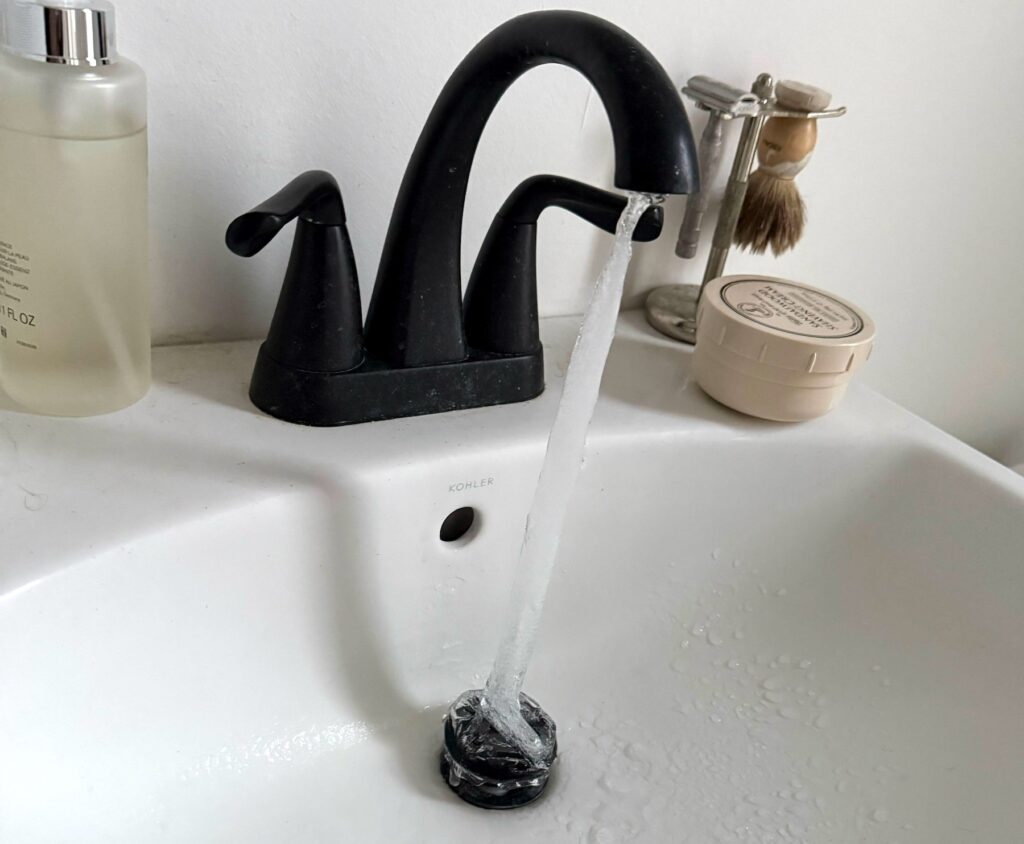
While the winter storm has moved on from Middle Tennessee, many residents are now experiencing frozen pipes, no running water and even frozen water streams in their sinks.
With another cold snap expected this weekend, city officials and plumbing experts urge residents to protect their homes and businesses from further damage caused by freezing temperatures.
At least 30 breaks or suspected breaks of water mains were reported by Thursday afternoon in Nashville, according to Metro Water Services Outages Map. Director Scott Porter addressed his concerns along with other city officials at a briefing on Wednesday.
“As we continue to thaw, we’ll see more main breaks,” said Porter. “And I need everybody to call 615-862-4600 if you see a main break.”
Even before the storm arrived, residents were advised to leave sinks dripping because moving water makes it less likely that pipes will freeze. But because of widespread power outages, many homes dropped below freezing and the stream from dripping sinks froze solid, like an icicle.
“If you do lose power, it’s like the inside of your home becomes the outside with a very little temperature difference,” said Matt Newsom, owner of 100 Percent Plumbing.
He says his company received more than100 calls since Monday. Many of those calls revolved around frozen pipes and water leaks, and the calls are still coming.
“The phone just rang twice, and three calls came in at the same time 10 minutes ago, so it’s been heavy,” said Newsom.
He says the method to protect your pipes often depends on whether you have power or not. If you have power, open cabinet doors beneath the sink, keep your thermostat set to 65 degrees or higher and leave your faucet dripping overnight.
If you don’t have power, things get tricky.
“If your power is out and you don’t anticipate it being restored before this weekend’s cold snap… call a plumber and have them shut off your water main and drain the water from your home, including your water heater,” said Newsom.
Doing this will get the water out of your pipes and prevent the pipes from freezing during the temperature drop.
 On Air - 90.3 WPLN-FM