

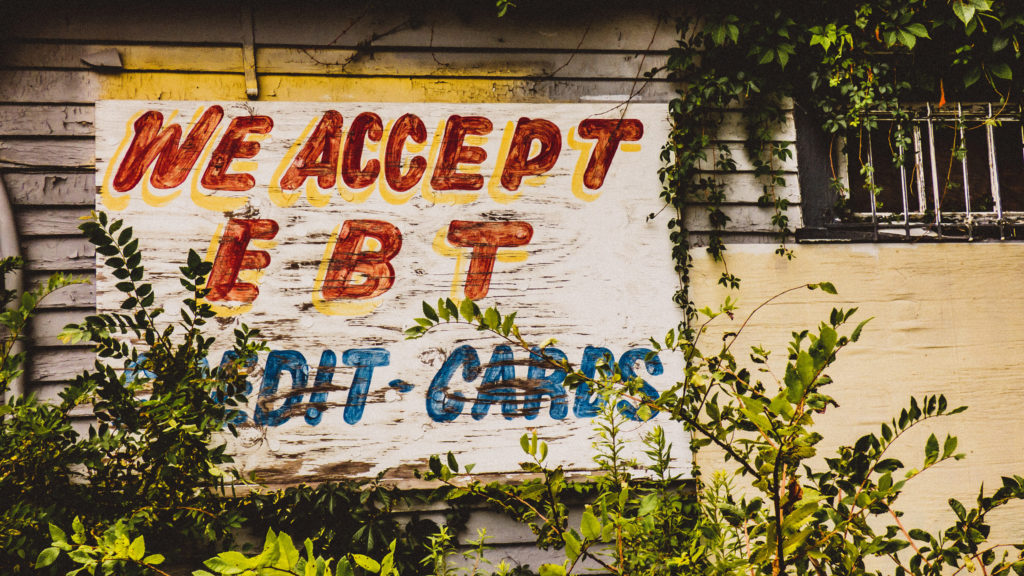
It’s unclear when November benefits for the Supplemental Nutrition Assistance Program, known as SNAP, will begin showing up in accounts. And beneficiaries aren’t the only ones having a hard time with the delays and lack of predictability.
The ordeal is also putting strain on local grocers — especially those in underserved areas.
SNAP serves about 1 in 10 Tennesseans, but they’re not spread out evenly. In struggling rural counties, it’s closer to 1 in 5. And in urban areas, low-income neighborhoods tend to have too few grocery stores.
“There are some stores in Tennessee that have 70% SNAP customers, and their business will definitely be affected,” said Rob Ikard, the president and CEO of the Tennessee Grocers & Convenience Store Association.
He said their woes won’t disappear when the shutdown ends.
“We’re starting to look ahead to what a sudden influx of past-due benefits is going to do to store inventories,” he said. “It will put a strain on food supply chains all across the United States.”
SNAP is federally funded, but states handle a lot of the legwork. In Tennessee, the Department of Human Services manages the program. It determines when people get their benefits.
Instead of releasing all benefits on the first day of the month, Tennessee’s SNAP beneficiaries get their aid sometime in the first 20 days of the month — depending on the last two digits of their social security number.
Ikard said his organization and others are working with DHS to find strategies to prevent empty shelves.

 On Air - 90.3 WPLN-FM