


Last Friday, Nashville’s Chuquimamani-Condori did their first interview in ten years on WNXP. In the interview, they announced that in partnership with their band Los Thuthanaka that they would release an instrumental EP and a booklet written in Aymara that tell the story of the birth of the sun. The EP and booklet are out now. The songs stand on their own, but having the context and story in English can enhance the listening experience.
The Aymara, of the Great Pakajaqui Nation
Most cultures have a mythical story of the sun. They’re almost always positive. Light, warmth, life.
But for the Aymara, the sun story is a tragedy. Chuquimamani-Condori belongs to the Great Pakajaqui Nation, an indigenous group around the Andes in South America.
In their new collection of songs, Chuquimamani-Condori wordlessly tells the story.
Educating people about the Aymara runs in the family. The artist’s great-great-grandparents were Aymara leaders, known as the “chief of chiefs.” Their great-great-grandfather, Francisco Tancara, fought for Aymara sovereignty against the Spanish and won.
“We were enslaved by being told we’re paying taxes to Spain. And the Spanish loved putting everything on paper. So he had those papers and he took them to the court and was like, ‘See, we paid for our land.’ And they honored that,” says Chuquimamani-Condori.
Chuquimamani-Condori follows their legacy, leading through music. They are one of the most critically acclaimed musicians in the world, with Pitchfork naming the prior Los Thuthanakas release the No. 1 album of 2025.
The music is critically acclaimed because of its textures. They layer DJ backspins on top of Andean folk music on top of entirely produced songs, to create a soundscape that is inescapable. You have to let it wash over you. Chuquimamani-Condori says, “It comes out of the water ceremonies. And so that’s those repetitions and that layering that you hear.”
The birth of the sun
The 18-minute, three-movement EP is titled “Waq’a,” which in Aymara is used to mean a spiritual place. But in our interview, Chuquimamani-Condori said that that it literally means “a split.”
In the Aymara tragedy, before the birth of the sun, the concept of time didn’t exist. This is represented in the first song on the EP, “Quta (capo kullawada.)”
“Everything before there was any time. It’s undifferentiated, like the ocean.” In that time, the Aymara lived and worked in uniform harmony together, in a darkness that they were adjusted to.
But then …
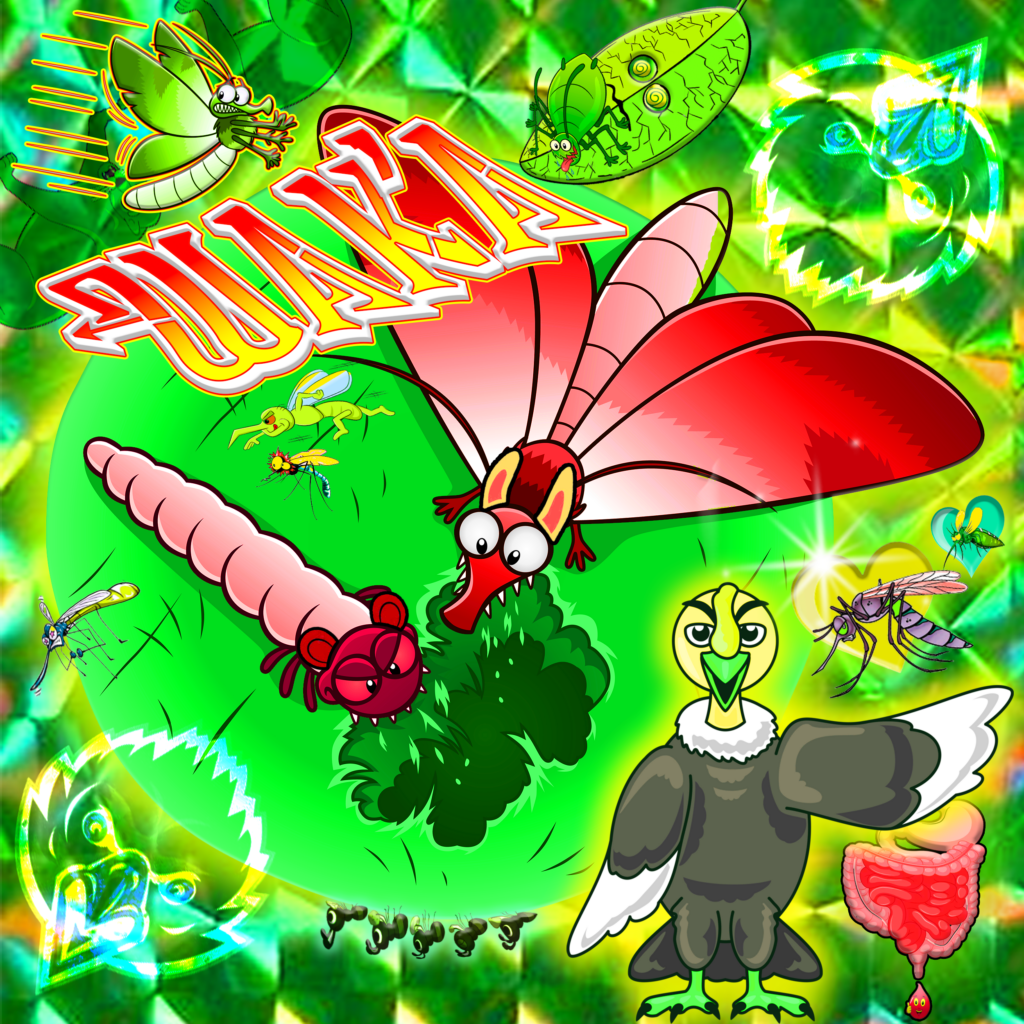
“These repetitions start happening. It’s like a humming and the song gets louder and louder and it generates heat and color, and it generates so much heat that by accident the star is born.”
They aren’t used to the sun.
“And in that moment when the star’s born, we see each other for the first time. But it’s sad because we’re also separated for the first time. And so there’s that bittersweet moment right before everything’s burned up by the song. And so that those textures, that’s everything that you hear.” The split.
The sun creates time and boundaries. The people of the dark are forced to name everything. A corral, a road, a house, a jail. The sun marked the beginning of what Chuquimamani-Condori calls “the policed state.” The world that we live in today.
The last song is a coda. “An implied end.”

 On Air - 90.3 WPLN-FM