
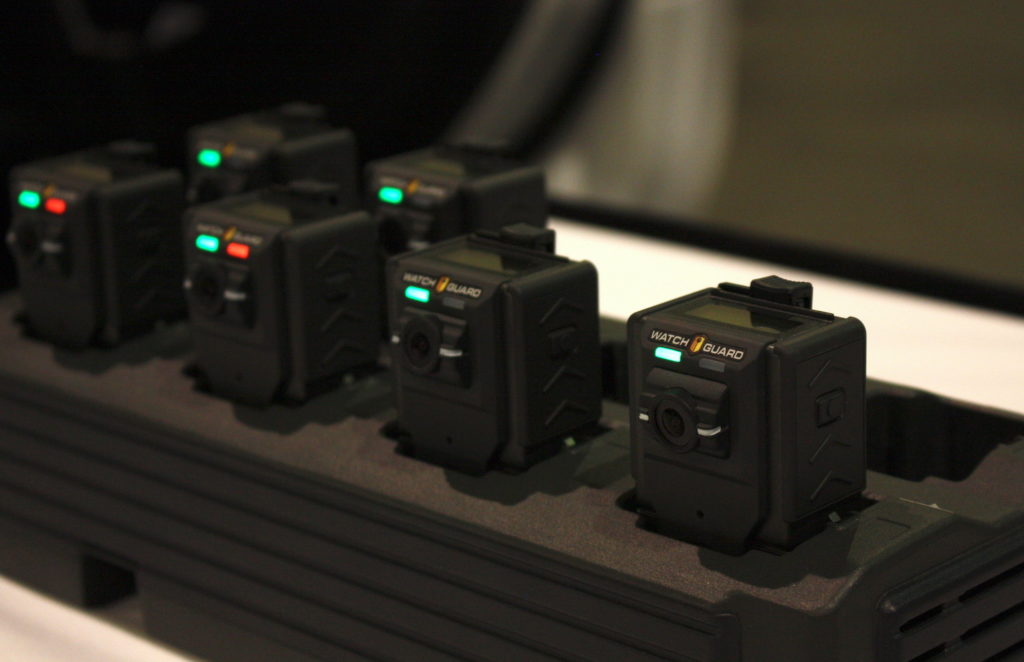
A Metro agency is publicly questioning an independent nonprofit report that explores how Nashville police use various technologies.
An 11-page letter from the Metro Human Relations Commission criticizes the June report from the Nashville Police and Public Safety Alliance. The independent nonprofit analyzed 10 cities that were a similar size to Metro.
Inside its findings, the report noted that Nashville doesn’t use the same kinds of technology, including license plate readers and gunshot detection systems. It suggests that Nashville is behind the curve on safety tools. But the MHRC calls the research “fundamentally flawed in its framing, methodology and scope.”
“In particular, the report does not account for the broader social, economic, historical, and community factors necessary to understand public safety outcomes or evaluate the relative effectiveness of different policy approaches,” the group wrote.
MHRC says it welcomes more discussion, including comparison to other cities.
Right now, Nashville is in limbo with license plate readers. Metro Council approved the framework to use them, but it is yet to allocate the $2 million to get the program started. Nashville Police and Public Safety Alliance did note local skepticism toward the technology, but the MHRC said that doesn’t go deep enough.
“The Commission’s concerns are not theoretical,” the letter states. “They are grounded in documented evidence, including instances of LPR data being accessed by ICE, disproportionate deployment in communities of color, and insufficient oversight mechanisms. These are not hypothetical risks, but rather post-modern manifestations of longstanding patterns that have shaped law enforcement practices for generations.”
It’s not clear when funding for license plate readers could go before Metro Council again.
The MHRC letter goes on to condemn the report’s lack of looking at symptoms of crime, as well as concerns that technology could widen a chasm of disparity among the city’s most vulnerable communities.
It calls for a more collaborative process to discuss policing and technology.
“The commission believes Nashville’s strongest public safety solutions will emerge not from any single institution or perspective, but from a collaborative process that reflects the experiences, expertise, and aspirations of the diverse communities that call Nashville home,” the letter ends.

 On Air - 90.3 WPLN-FM