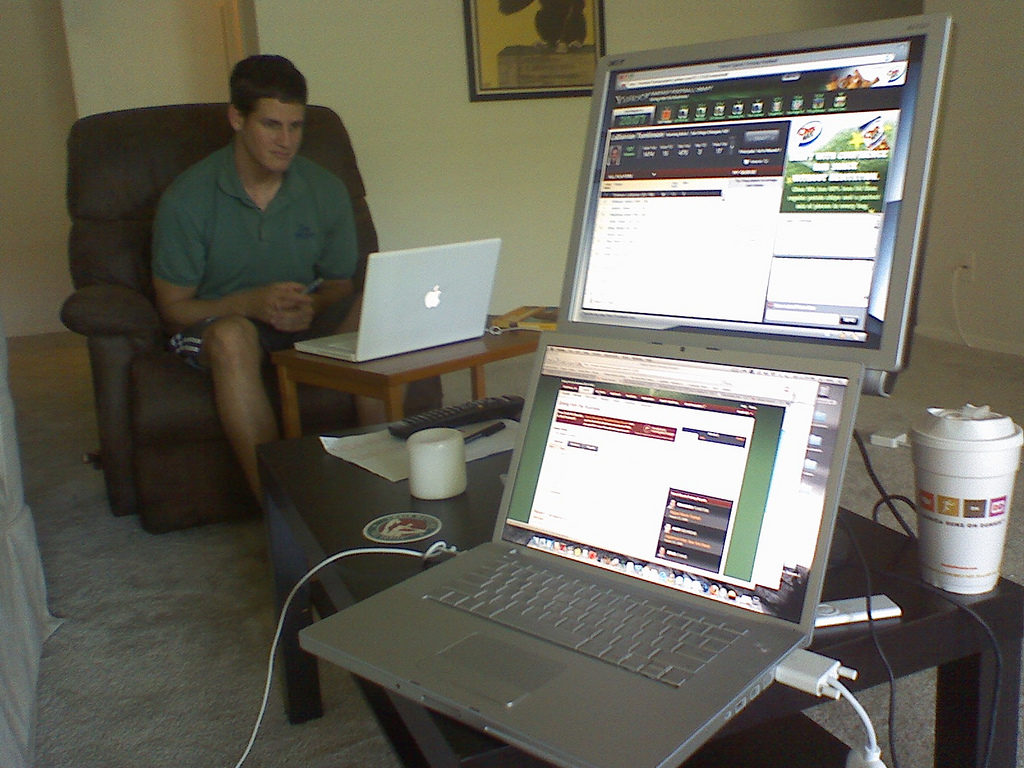
Tennessee is about to become one of a half-dozen states to formally regulate fantasy sports. A bill that passed in the final days of the legislative session would both exempt the online games from gambling laws and place a tax on the revenue they generate.
Considering the discussion was about gambling and taxes, the fantasy sports regulations were approved with fairly limited public discussion.
The one big dust-up was when Rep. David Alexander, R-Winchester, suggested a state trooper should come and arrest the lobbyists hired by DraftKings and FanDuel — the two largest daily fantasy sports sites.
“What we have up here right now are a lot of people who are promoting gambling,” he said during the committee hearing. “So to my non-legal mind, that means they are breaking the law.”
Tennessee’s attorney general had
determined betting on these virtual line-ups of professional athletes amounted to illegal gambling. And Alexander is not a fan.
But Rep. Curry Todd, R-Collierville, called the suggestion ”asinine.”
“How many folks out there are shooting dice and playing cards? Tons of them. Every night go on down the street and look at them,” he said, pointing out very few are ever charged with a crime.
Todd said if people want to put their money on fantasy sports, they should be able to. And that was the general consensus, though the bill did have 17 legislators vote no in the House.
One other big concern for the state was competition with the Tennessee Lottery. Rep. Bill Dunn, R-Knoxville, felt like there were some legitimate gripes.
“With the lottery, you have to have background checks and there are some other regulations that we’re putting them through,” he said. “But these people who run these [fantasy sports] games, we’re not.”
Still many lawmakers said they were impressed that the fantasy sports industry was willing to take on a six percent privilege tax. After passage, DraftKings released a statement calling the regulations “strong, but smart.” They’re primarily based on rules in Massachusetts, according to an industry spokesperson.
But it won’t be a big money-maker for the state at the moment. The tax is designed to generate just enough money to pay for the two new inspectors that will have to be hired.


 On Air - 90.3 WPLN-FM