

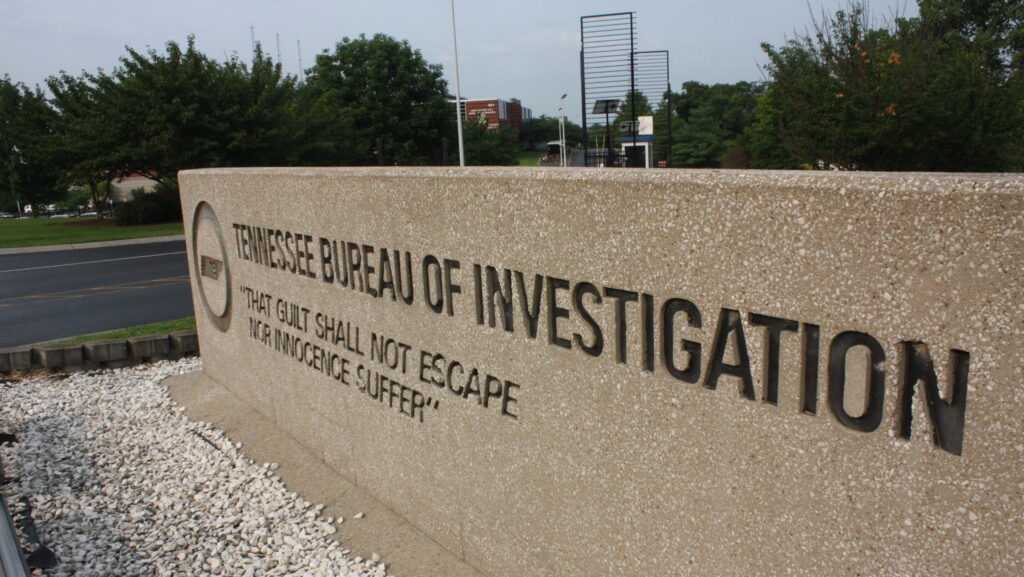
The state’s new domestic violence registry is live on the Tennessee Bureau of Investigation website. But so far, it does not include much information.
The first entry was added Monday after a man was convicted in Blount County of a domestic violence offense and had one prior conviction. The entry includes his photo, his birth date, and the date of his most recent conviction. He will remain on the registry for 5 years, but others may be on the list for longer, depending on how many prior offenses they have.
While prior convictions qualify someone for the list and could have happened at any time, their new conviction must have occurred since January 1, 2026, to be added.
Once the list is more populated, the public can search by county or by name to find offenders in their area. So far the registry has been visited online more than 30,000 times.
The law establishing the registry was named after Savanna Puckett, a Robertson County sheriff’s deputy who was shot and killed by her abusive boyfriend in 2022.
Her mom, Kim Dodson, told lawmakers that Puckett had searched her boyfriend’s criminal history when he started showing concerning behaviors. She said all that came back was a marijuana charge – yet he had a lengthy history of domestic assault.
“I just have to think if there would have been a domestic violence registry in place while my daughter was alive maybe she would still be here,” Dodson told lawmakers during a committee hearing. “But she’s not. Maybe we can save the next victim.”
While lawmakers and advocates said the registry will serve as a tool for people to keep themselves safe from domestic abusers, it could also be used in another way: people convicted of domestic violence charges in Tennessee are barred from having a gun. And Tennessee allows for private gun sales without a background check.
So, the registry could be checked during private gun sales to make sure the buyer is allowed to have a firearm.
WPLN and ProPublica have been investigating how often domestic violence homicides are committed by someone who was prohibited from having a weapon because of previous violent felony convictions or domestic violence convictions. Our investigation has found that roughly one in four homicide victims was shot and killed by someone who should not have had a firearm.

 On Air - 90.3 WPLN-FM