
Tennessee history is rich with complex characters, conflict, oddities and innovation. In honor of the state’s 230th birthday (and America’s 250th) — and in a project funded under an agreement with the state of Tennessee administered by the Tennessee Commission for the United States Semiquincentennial — WPLN is rolling out a new series to help tell the story of our state.
Each of these stories come from our NashVillager Podcast, which offers a daily dose of local news alongside history and context. Host Nina Cardona, a bona-fide history buff, expertly connects the dots between the stories of the past and the present day.
She digs into moments from history, explores how they shaped our community, and uses history as a lens to explain how we became who we are. If you like what you read here, subscribe to the podcast to hear more each weekday.
To kick off this series, we’re starting with turning points in the history of Tennessee, which turns 230 years old on June 1. Here are four moments that changed our state forever:
1. The Robertson and Donelson parties reunite on the bank of the Cumberland River
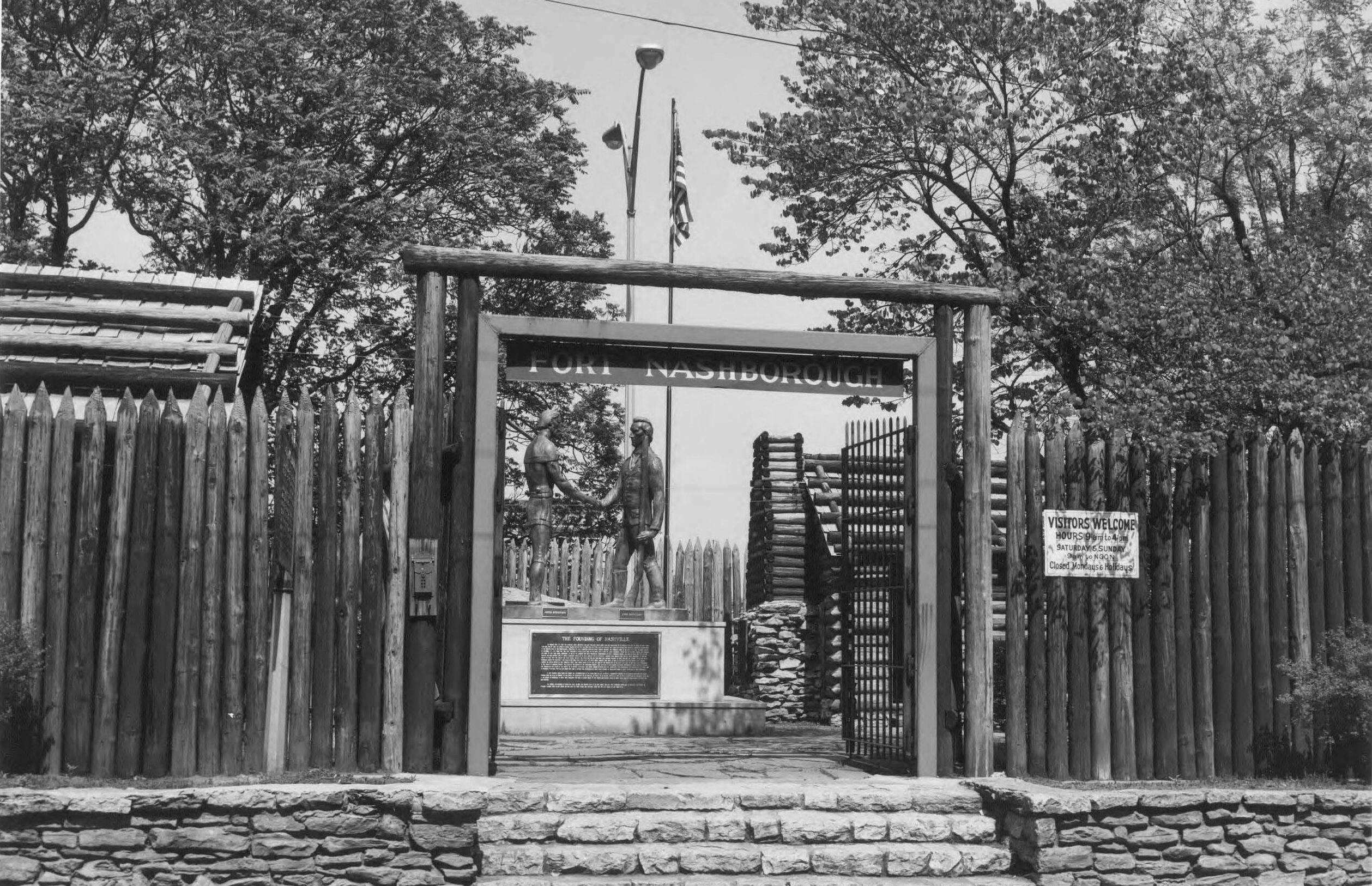 Courtesy Tennessee State Library & Archives
 A statue at the entrance to Fort Nashborough marks the meeting of James Robertson and John Donelson after months of separation.
Nashville was officially founded on Christmas Eve of 1779, when James Robertson and his crew of men set up camp. But the city didn’t really take off until John Donelson arrived four months later on a fleet of flat boats filled with women, children and the enslaved people who would build much of Fort Nashborough.
That reunion on April 24, 1780 marked the moment that the camp became a community. After months apart facing separate sets of struggles, the two parties had changed since their last meeting. Donelson wasn’t very optimistic about their prospects.
However, as Cardona notes in this episode, Nashville is now “a city far beyond anything that group could have imagined. More bustling, more developed, certainly more diverse, with all the joys, challenges, triumphs and heartaches that those factors have combined to make through the years.”
2. Tennessee becomes the first Confederate state to rejoin the Union post-Civil War
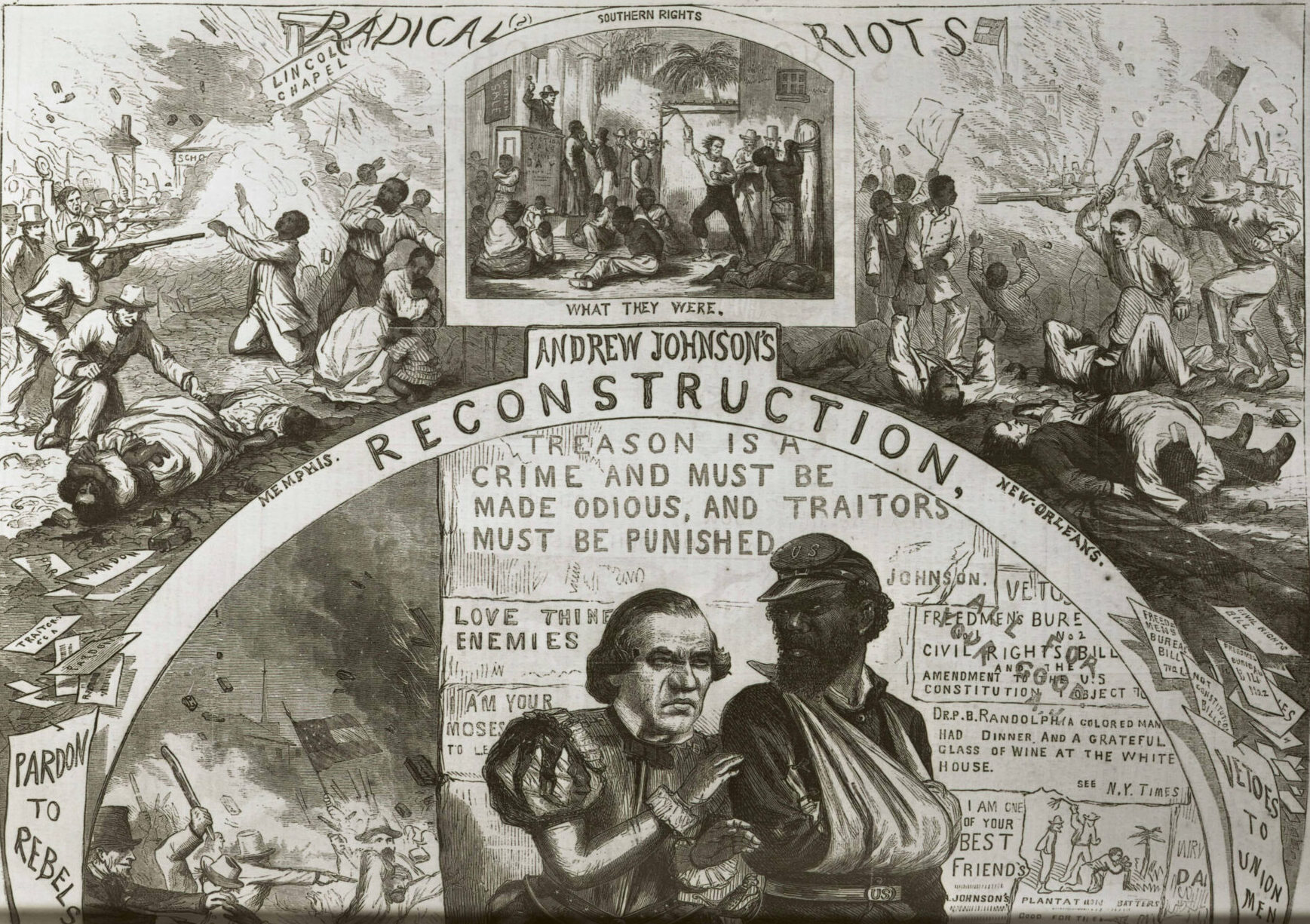 Courtesy Tennessee State Library & Archives
 A political cartoon from Harper’s Weekly criticizes President Andrew Johnson’s Reconstruction, casting him as the traitorous Iago in Shakespeare’s Othello.
On July 24, 1866, President Andrew Johnson approved the resolution officially readmitting Tennessee to the Union.
Johnson had previously served as governor of Tennessee, and was President Abraham Lincoln’s vice president before his assassination. That left Johnson in charge of the earliest stages of Reconstruction after Confederates’ defeat in the Civil War. Johnson lauded Tennessee as a model for other Southern states aiming to rejoin the Union.
However, as evidenced in the political cartoon above, many disagreed with Johnson’s handling of Reconstruction for being too soft on former Confederates and allowing for the continued mistreatment of formerly enslaved people. Those disagreement ultimately led to his impeachment about a year and a half later.
3. Fort Campbell comes to Tennessee (and Kentucky)
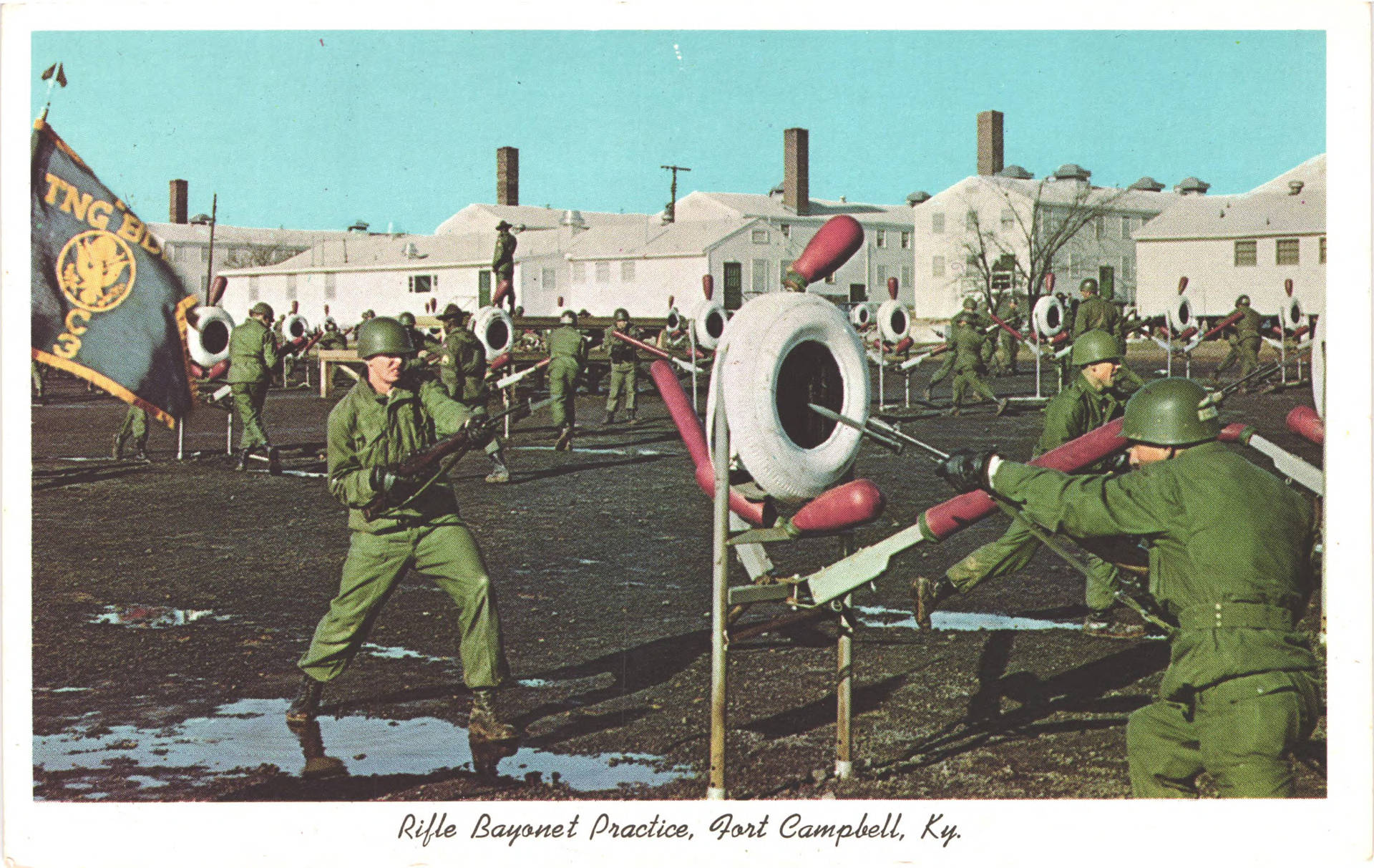 Courtesy Tennessee State Library & Archives
 A postcard shows soldiers at Fort Campbell practicing combat with bayonet rifles.
On July 16, 1941, the federal government announced it would set up a new military post along the Tennessee-Kentucky border called Fort Campbell. At that point, the United States hadn’t yet entered World War II, but the pressure was mounting. And the prospect of bringing a major military installation to town made a lot of Clarksville residents anxious.
However, after Japan’s attack on Pearl Harbor, public opinion shifted, and the community became more open to work with the base. In fact, one of Fort Campbell’s loudest critics ended up becoming a devoted supporter known as “Stockade Annie.” And nowadays, Clarksville’s identity is closely tied to the military outpost, with a full quarter of the city’s population made up of active-duty or retired military service members and their families.
4. The Nashville Student Movement and its lunch counter sit-ins
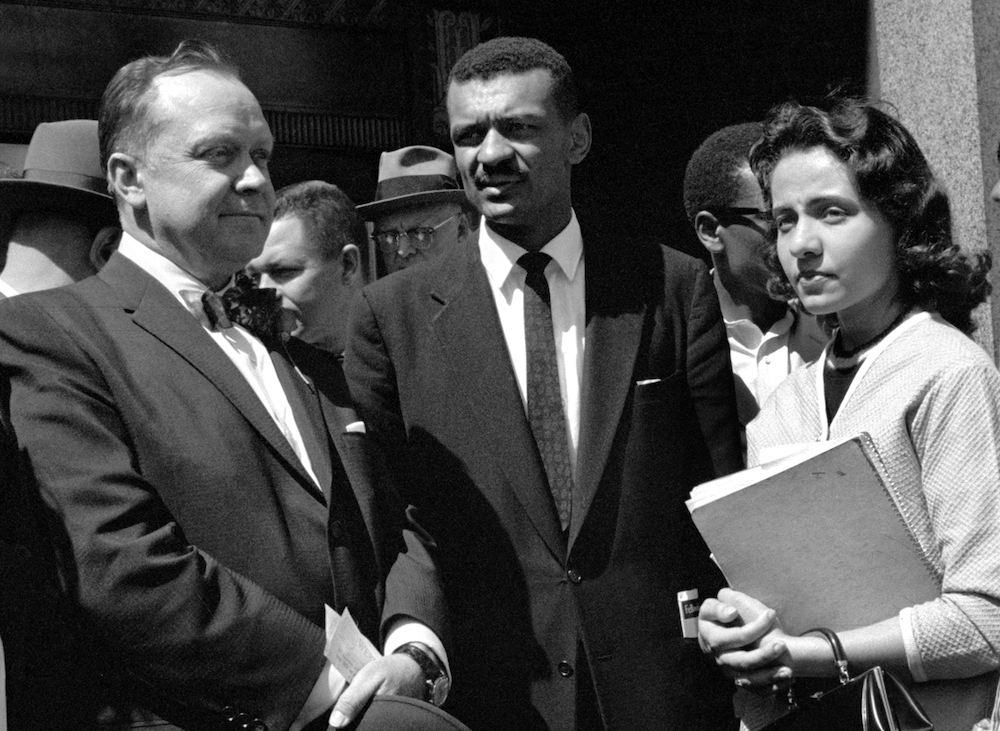 Courtesy Nashville Public Library, Special Collections
 This 1960 photo shows Rev. C.T. Vivian (center) and Diane Nash (right) speaking to Nashville Mayor Ben West.
Nashville’s role in the Civil Rights Movement is often overlooked, but some of the most influential figures on the national stage — including John Lewis, who went on to help lead the march in Selma, and James Lawson who mentored students at Vanderbilt and Fisk University — started out here.
One of the Nashville Student Movement’s most successful actions were sit-ins at segregated downtown lunch counters, where Black students would ask to be served and refuse to leave. When police arrested them and took them to jail, they refused to post bail, essentially extending their sit-in.
Eventually, the house of Z. Alexander Looby, the attorney representing the students, was bombed. That galvanized a silent march from Jefferson Street to the downtown courthouse. There, Diane Nash, a co-founder of the Student Nonviolent Coordinating Committee, or SNCC, asked then-Mayor Ben West a pointed question: “Is it wrong to discriminate solely because of race?” Ultimately, he had to admit it wasn’t.
 On Air - 90.3 WPLN-FM