
Volunteer scientist spend their time tracking living things in the Great Smoky Mountains National Park. It’s all part of an important science project.
Bear rescue resumes helping orphaned cubs in Tennessee, Great Smoky Mountains
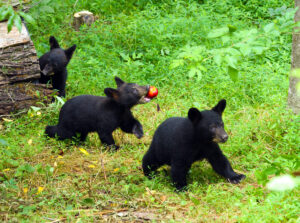
Black bear cubs orphaned in the wild may soon have a temporary home. The Appalachian Bear Rescue is a 30-year-old wildlife rehabilitation facility near Gatlinburg that just reopened after a lengthy closure.
Animals can be queer. Here are Tennessee critters that show love is love
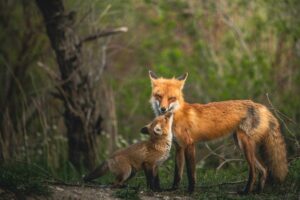
Queerness is prevalent in many different forms across the world of animals. Examples in Tennessee include foxes, eastern bluebirds, and black bears.
The ‘vine that ate the South’ meets its match in the sky

Kentucky wildlife officials are testing whether a new generation of drone technology could become one of their most effective tools for fighting kudzu, an invasive vine that’s spread across tens of thousands of acres since its introduction to the US more than a century ago.
Black bears in Nashville? Wildlife officials say bears are on the move

Black bears are on the move this summer, and they are showing up in Middle Tennessee. Bears have been spotted in Hickman, Dickson, Wilson and Sumner counties in recent weeks, according to the Tennessee Wildlife Resources Agency.
Is Nashville more ‘buggy’ during the record-warm spring?
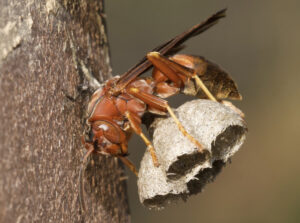
Warmth is likely promoting earlier activity from ants, moths, ticks and more after Nashville had its hottest April and second-hottest March on record.
NashVillager Podcast: Tennessee has superblooms, too

Where and when can you find masses of wildflowers in our area? Plus, a roundup of the news for March 19, 2026.
How Tennessee became home to North America’s only freshwater pearl farm
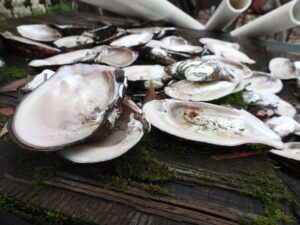
For thousands of years, pearls have been a prized gemstone used to craft jewelry and other adornments. But North America has just one freshwater pearl farm that cultivates the shiny objects, located at Kentucky Lake in western Tennessee.
Teacher turns invasive carp into food for injured birds of prey
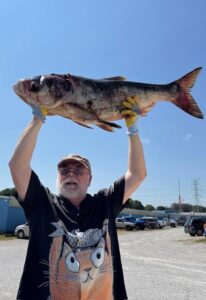
Carp have increasingly become a nuisance in waterways across the country. A Kentucky high school teacher and his students are using the invasive fish to feed injured raptors, like bald eagles, vultures and hawks.
 On Air - 90.3 WPLN-FM