
A secretive marsh bird once found in Tennessee wetlands faces extinction.
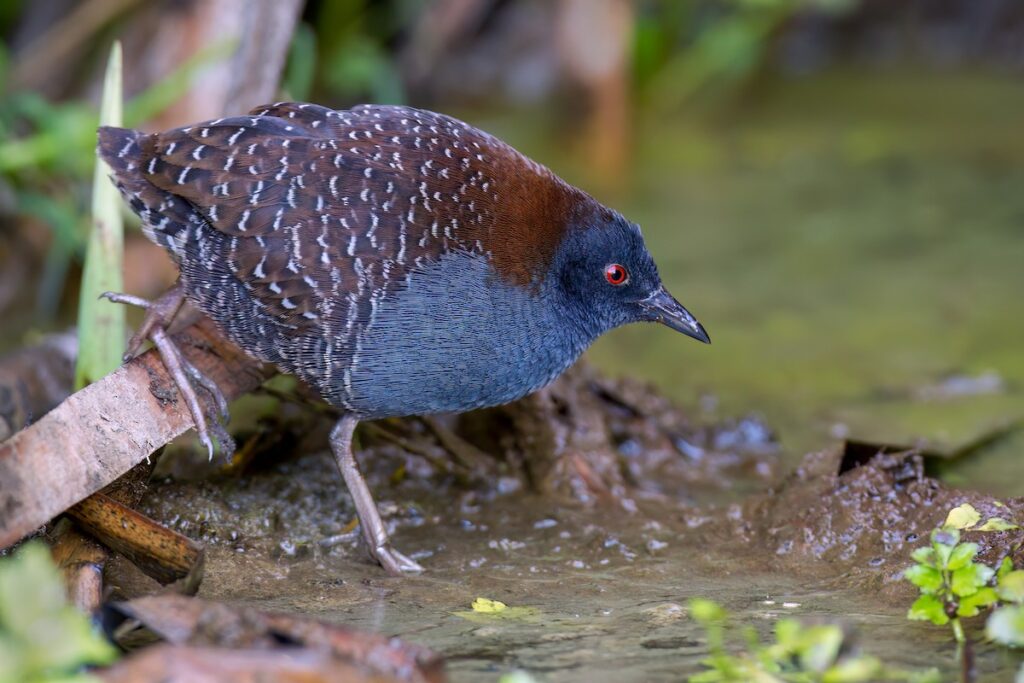
The Eastern black rail was federally listed as threatened in 2020, and the U.S. Fish and Wildlife Service is now drafting a plan for the recovery of the small, dark gray bird with red eyes.
Rails live in wetlands, like fresh and saltwater marshes and wet meadows. The birds have the unique ability to laterally compress their bodies to walk through marsh without moving a blade of grass. This is likely the root of the expression, “skinny as a rail.” The black rail is the smallest of the North American rails, at about four to six inches.
The King rail, a relative and the largest rail, has recently nested in the Duck River watershed, which has many, scattered wetlands.
But the black rail hasn’t been spotted recently in the state, and it’s disappearing along coasts. Wetland loss and sea level rise have wiped out a lot of habitat.
 Caroline Eggers WPLN News
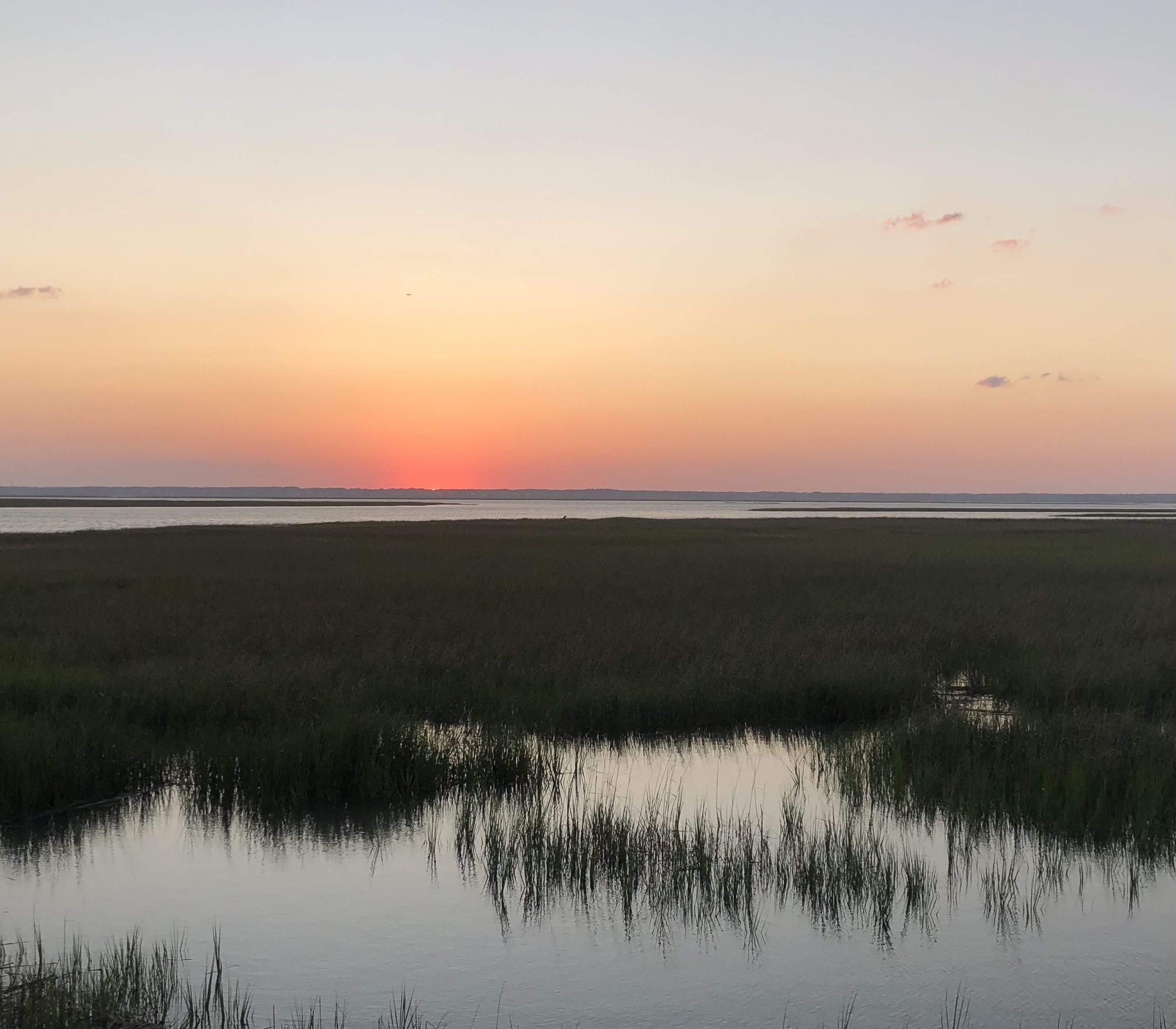
Black rails live in freshwater marshes, saltwater marshes and wet meadows.
The Tennessee Forests Council was one of several groups to petition the Fish and Wildlife Service to list the black rail in 2010. The agency finalized a listing a decade later.
“Populations of this sparrow-sized marsh bird with slate gray plumage and piercing red eyes have declined over 75 percent during the last 10-20 years,” the agency wrote at the time.
The Fish and Wildlife Service suggested there are about 2,000-3,000 birds in protected coastal areas and “no true population estimates” for interior states, the agency wrote in 2020.
The agency’s plan to protect habitat could be difficult locally.
Tennessee lost many of its longstanding wetland protections this year, after Gov. Bill Lee signed a developer-backed bill into law.
More: Isolated wetlands cover just 1.2% of Tennessee. But destroying them will have extensive impacts.
Many marshes and meadows that are not directly connected to streams or rivers can be drained, covered in concrete, and built over — without any mitigation for the lost ecological value, including habitat.
The Fish and Wildlife Service is collecting feedback on its draft recovery plan until Sept. 15.

 On Air - 90.3 WPLN-FM