
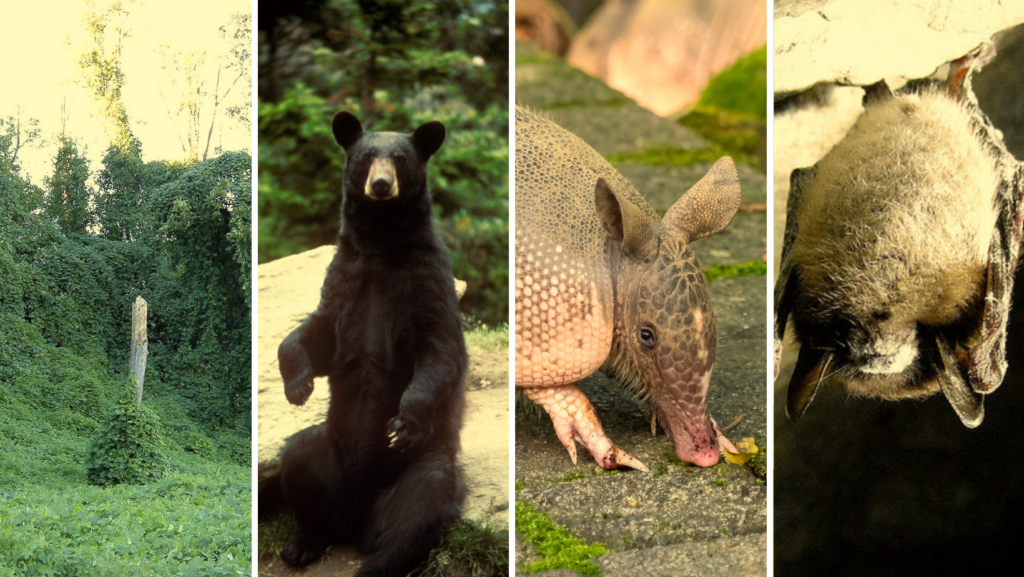
SIGNAL SPECIES
What can wildlife tell us about our ecosystem — and will we listen?
A “signal” or “indicator” species is an organism that can tell us about changes occurring in an ecosystem.
We’re talking bears encroaching on urban areas, armadillos on the move, invasive vines like kudzu growing at accelerated rates and bats changing their migratory patterns.
These are all examples of signal species sending us signals — but are we paying attention? And if we are, is there a way to contribute to scientific findings?
Join our iNaturalist project and start documenting the world around you today. Your contributions help advance science, build community and your relationship with nature. It also could help us pick the next subjects in our Signal Species series.
Follow for more on social media: Instagram @wpln of scan code below:

This series publishes on Mondays in June, with full episodes of This Is Nashville on June 2 and June 23.
Stories in this series
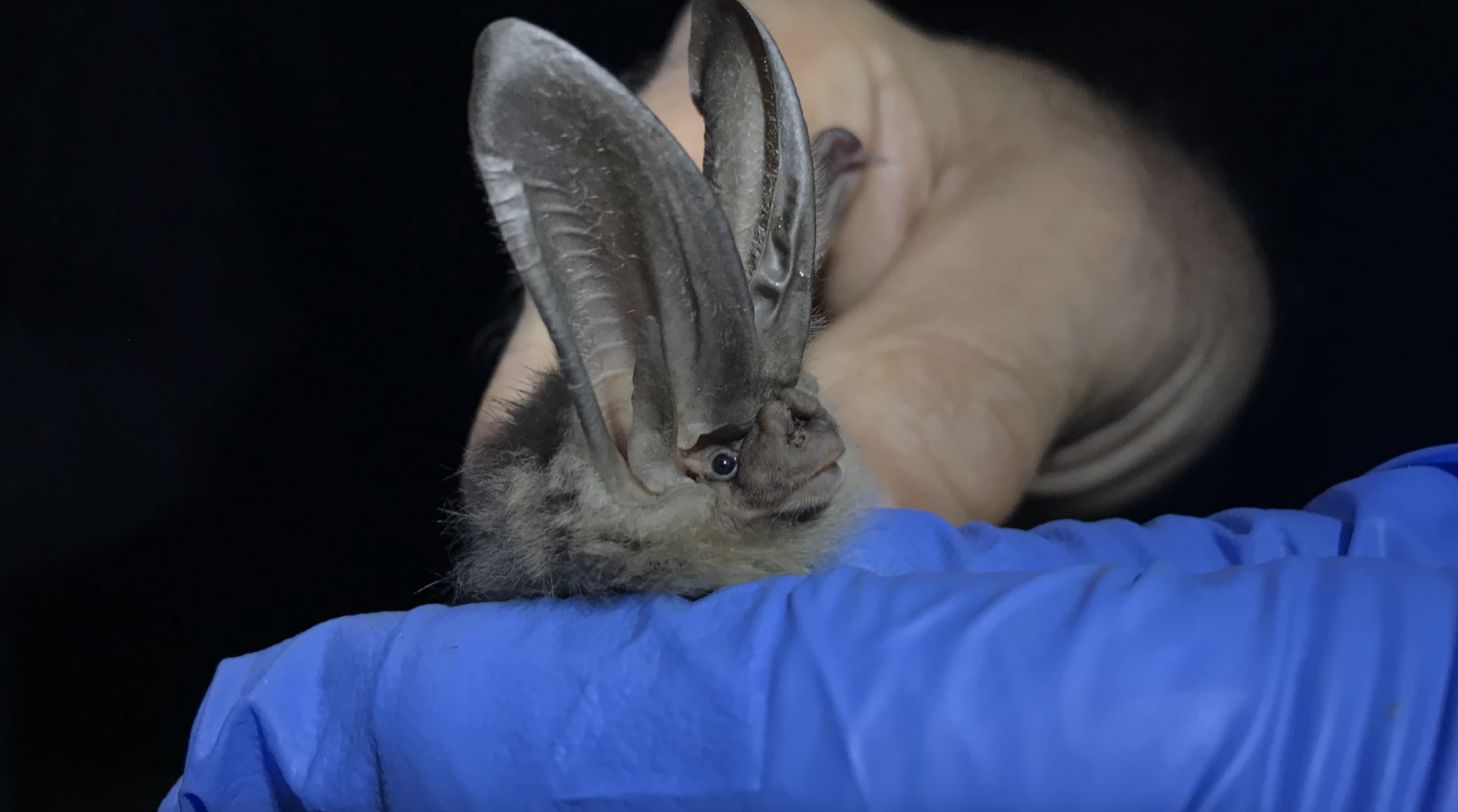

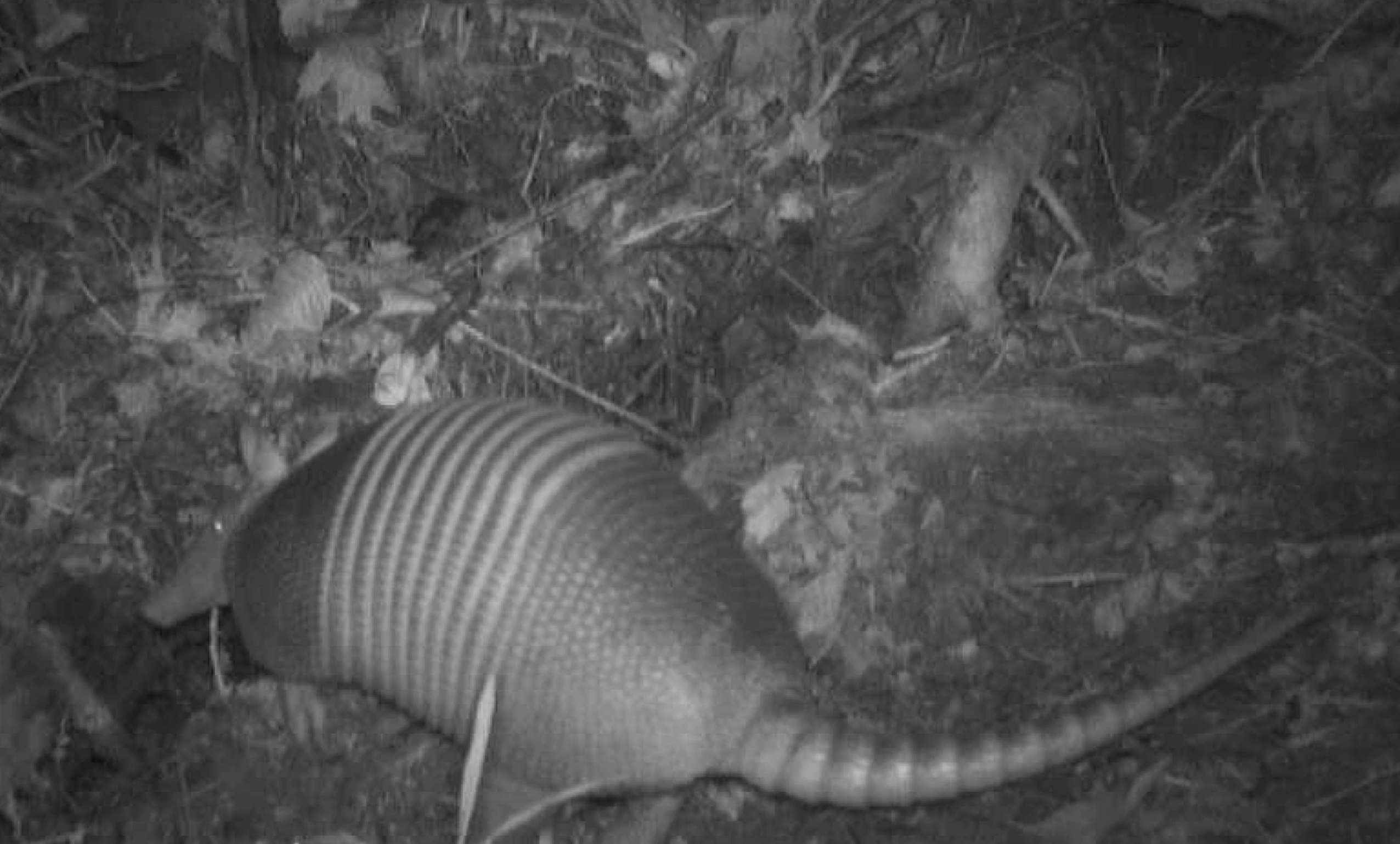

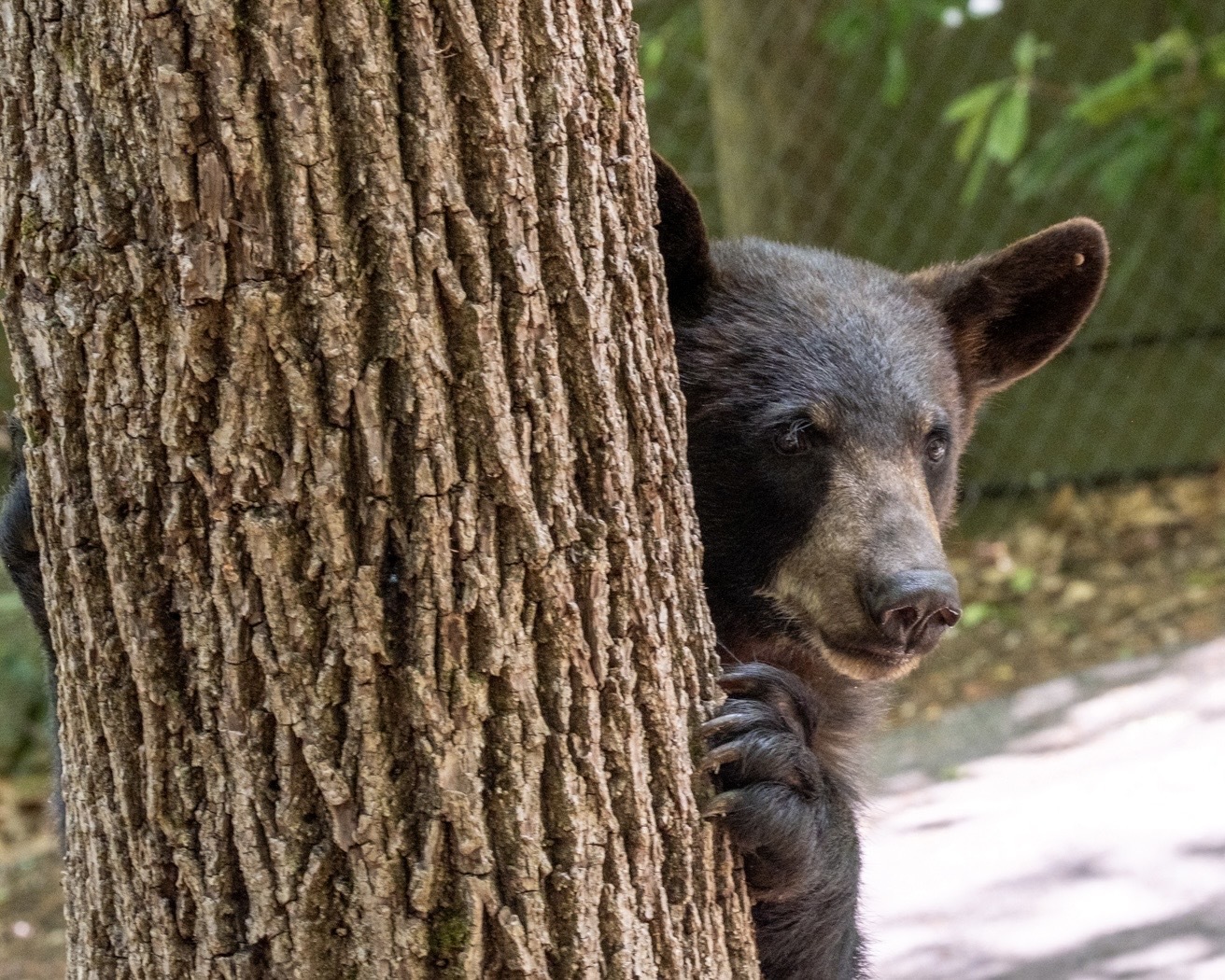
This is Nashville episodes
June 2: Taking cues from black bears and other signal species
June 23: How to be a backyard naturalist in Tennessee
Reporters: Catherine Eggers, Jacqui Sieber, Giselle Rhoden, Eric Douglas
Producers: Megan Jones, Andrew Henderson, Jared Kunish
Editor: John Boyle
Additional editing: Tony Gonzalez, Megan Jones, Tasha A.F. Lemley.
Related Coverage: Wildlife in Appalachia
-
Scientists volunteer their time to document biodiversity in the Smoky Mountains
-
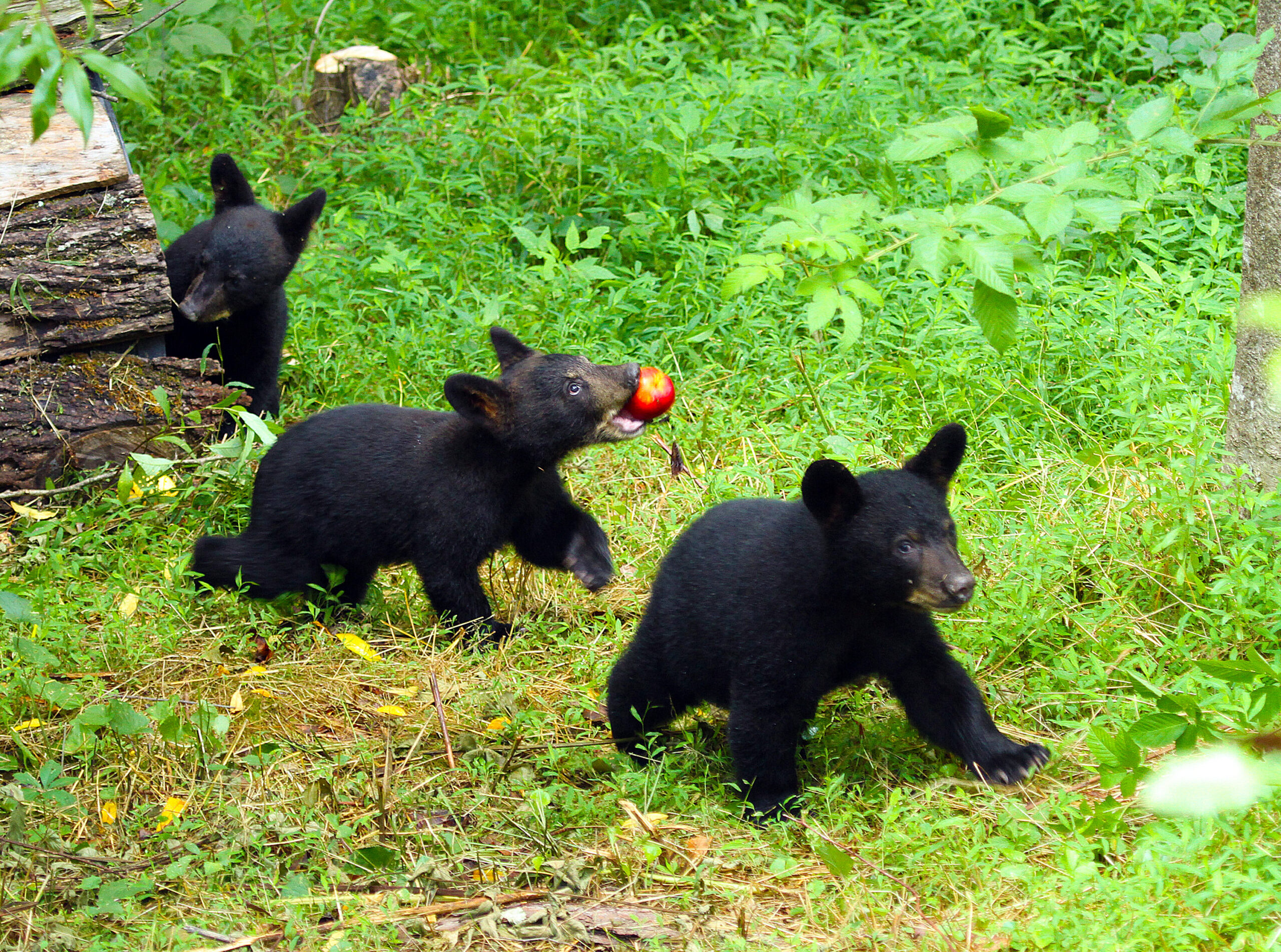
Bear rescue resumes helping orphaned cubs in Tennessee, Great Smoky Mountains
-
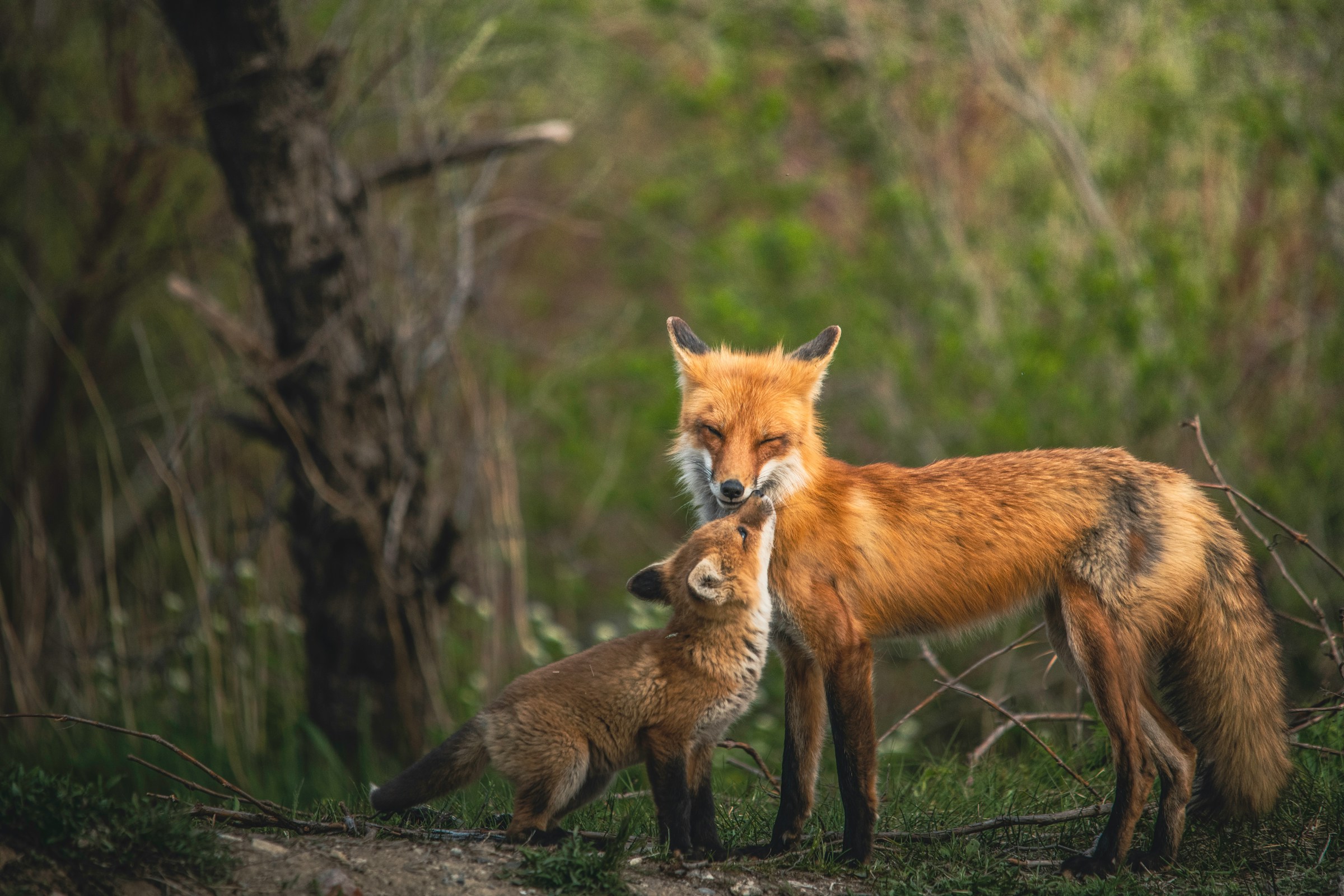
Animals can be queer. Here are Tennessee critters that show love is love
-

The ‘vine that ate the South’ meets its match in the sky
-
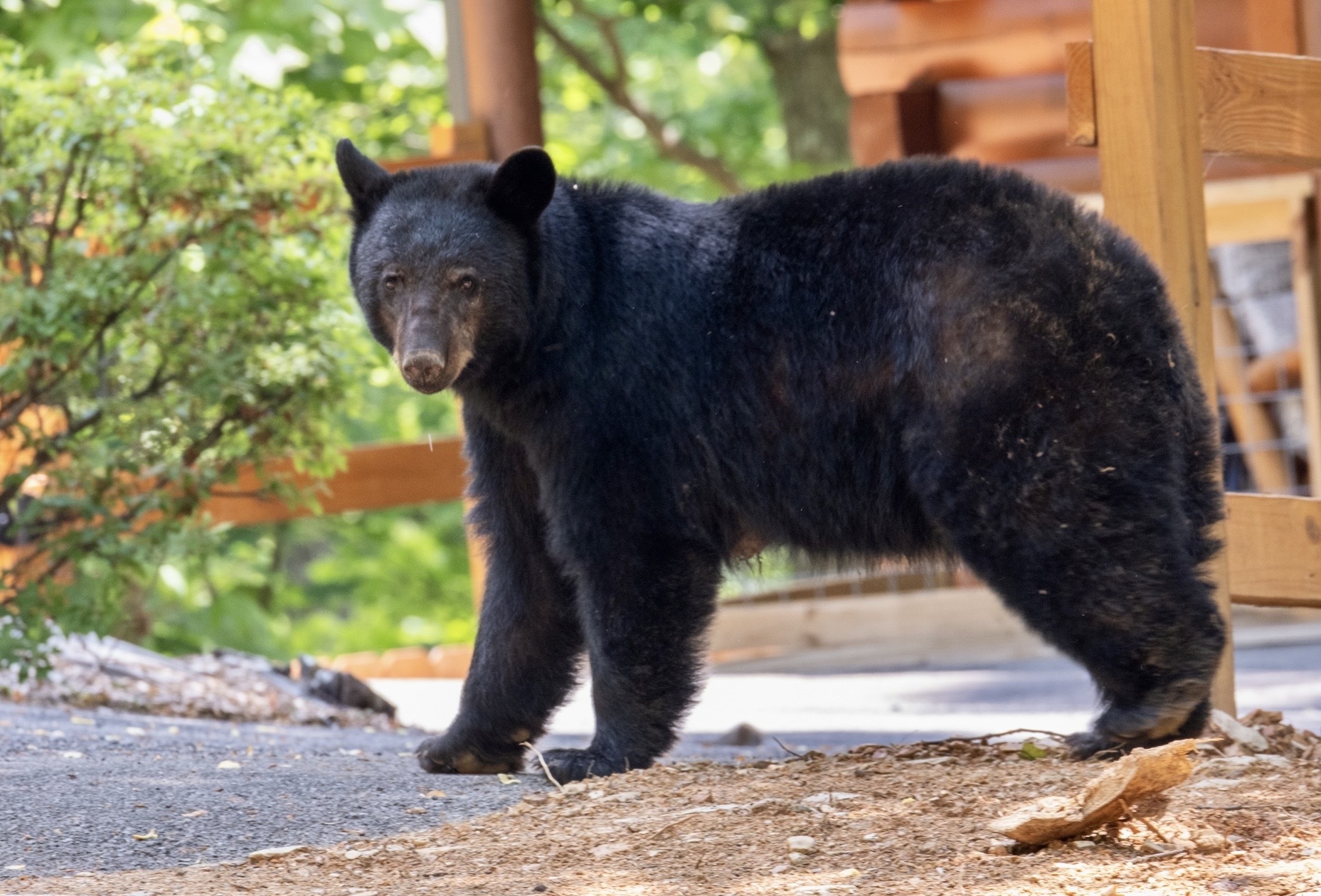
Black bears in Nashville? Wildlife officials say bears are on the move
-
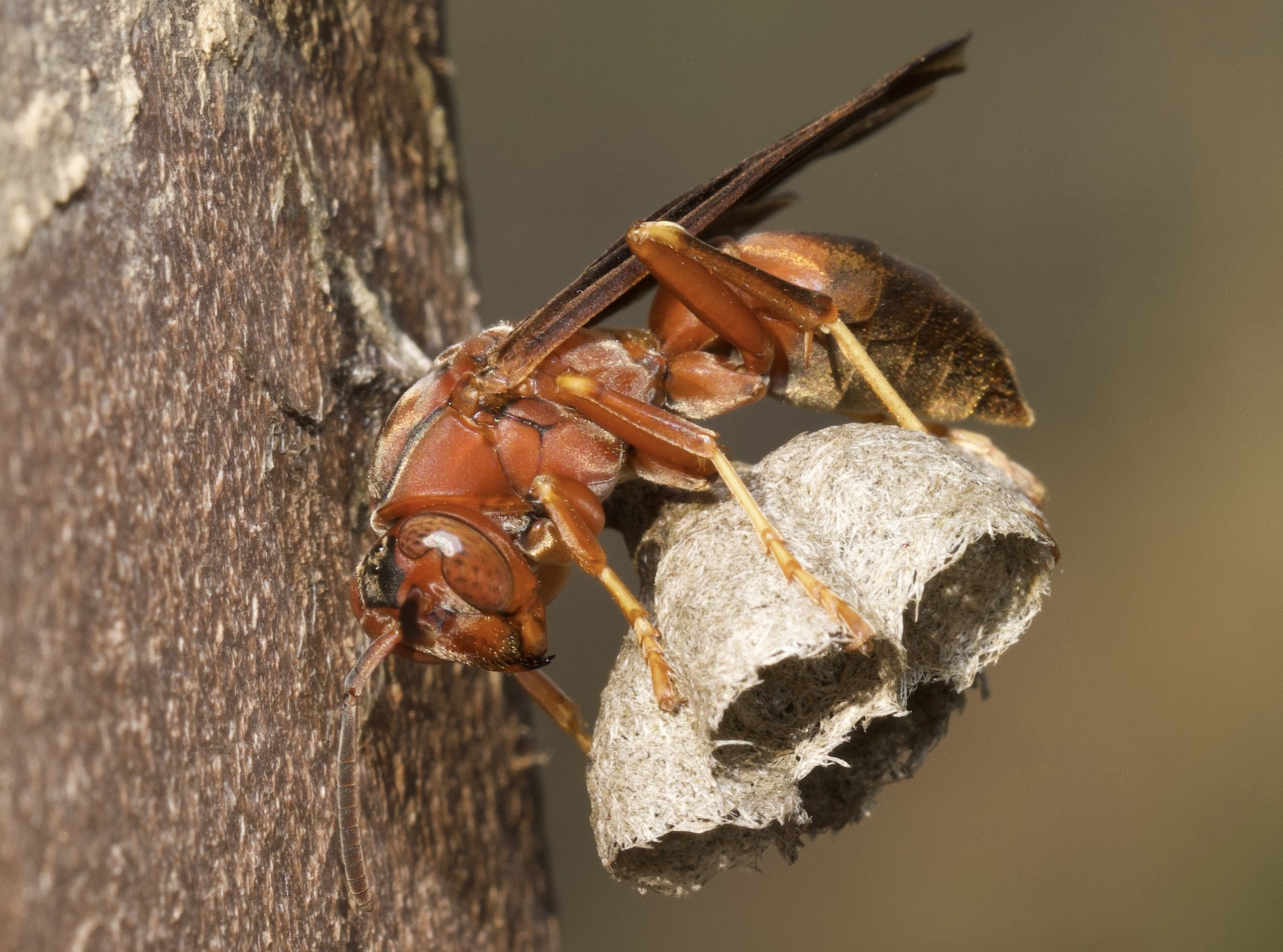
Is Nashville more ‘buggy’ during the record-warm spring?
-

NashVillager Podcast: Tennessee has superblooms, too
-

How Tennessee became home to North America’s only freshwater pearl farm
-
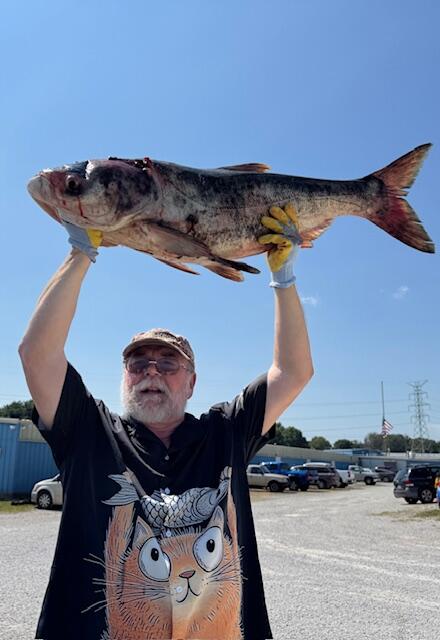
Teacher turns invasive carp into food for injured birds of prey
 On Air - 90.3 WPLN-FM