
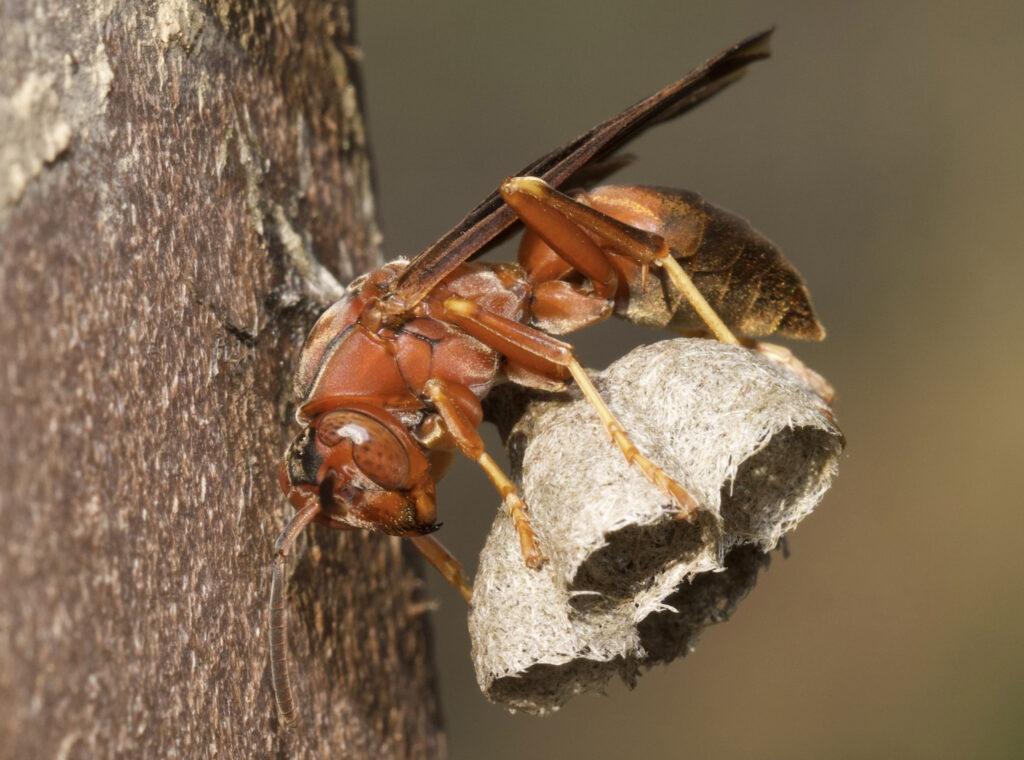
Nashville may be more buggy this year during a record-warm spring.
It is hard to know, for sure, as the populations of insects and arachnids (the eight-legged relatives like ticks and spiders) are notoriously difficult to monitor, unlike some other indicators of spring.
But the warmth is likely promoting earlier activity from ants, moths, ticks and more.
“All ectotherms are picking up the temperature around them,” said Belmont University entomologist Steve Murphree, referring to cold-blooded creatures. “Their developments can be accelerated by warmer temperatures.”
Nashville had its hottest April and second-hottest March on record, contributing to an early spring. The city had 19 days with temperatures of at least 80 degrees in April, according to the National Weather Service.
But the city is also facing drought.
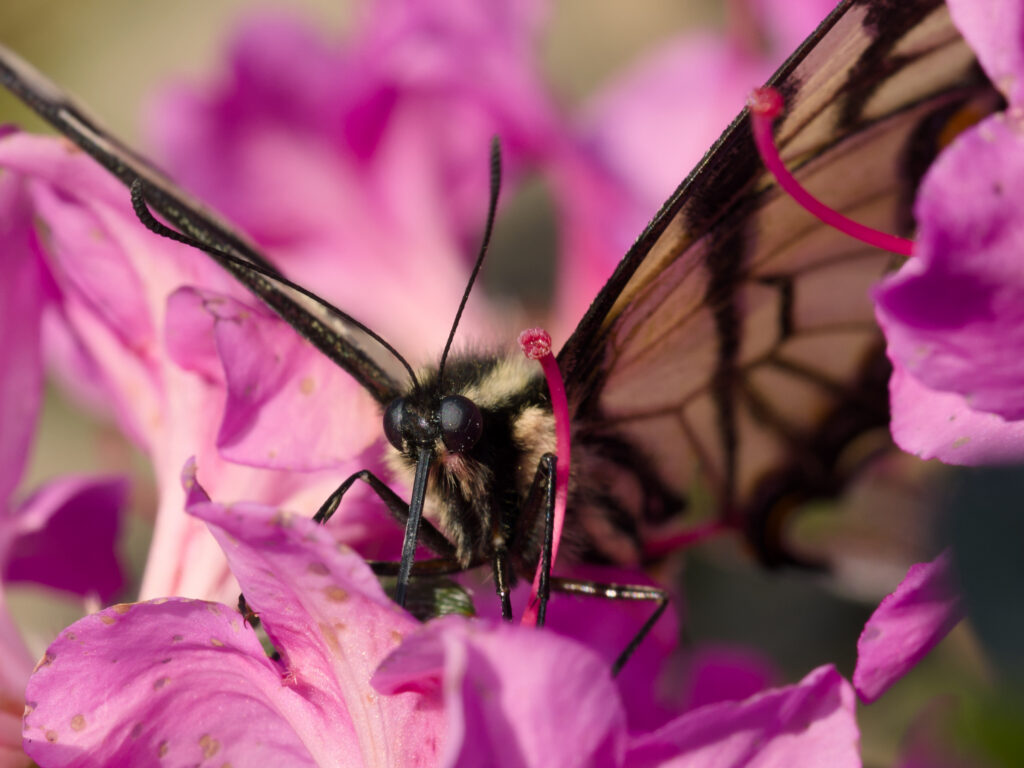 Caroline Eggers WPLN News
An eastern tiger swallowtail butterfly extracts nectar from a flower on April 7, 2026.
Nashville dried up last month to an “extreme” level of drought, which could lessen or delay some bugs.
Take mosquitoes: For new babies to hatch in the spring, Murphree said, the eggs rely on either standing water or for creeks and rivers to go up during a heavy downpour — like the one last week.
“The eggs can handle being in the dry longer. They just have to wait until they’re immersed in water,” Murphree said.
To look into local activity or identify bugs, Murphree suggested folks use resources like iNaturalist and bugguide.net.
Monitoring insect and arachnid populations seasonally or in brief time intervals is difficult due to the size and number of them. Observing long-term trends in moth populations takes at least 15 years, according to a February study published in Environmental Entomology.
But counting bugs is becoming increasingly important in the context of climate change and biodiversity loss — and humans rely on the tiny critters in many different ways.
Some bugs do carry some risks for people, however: The Tennessee Department of Health is advising folks to take extra precautions for ticks this year, as ticks can transfer dangers like Lyme disease.
The National Pest Management Association expected more ticks, chiggers and mosquitoes in southern states this spring and summer through its “Bug Barometer.” The early forecast for Tennessee and five other states suggested a “mild and damp” spring, but Nashville and much of Tennessee have ultimately been very warm and very dry.

 On Air - 90.3 WPLN-FM