
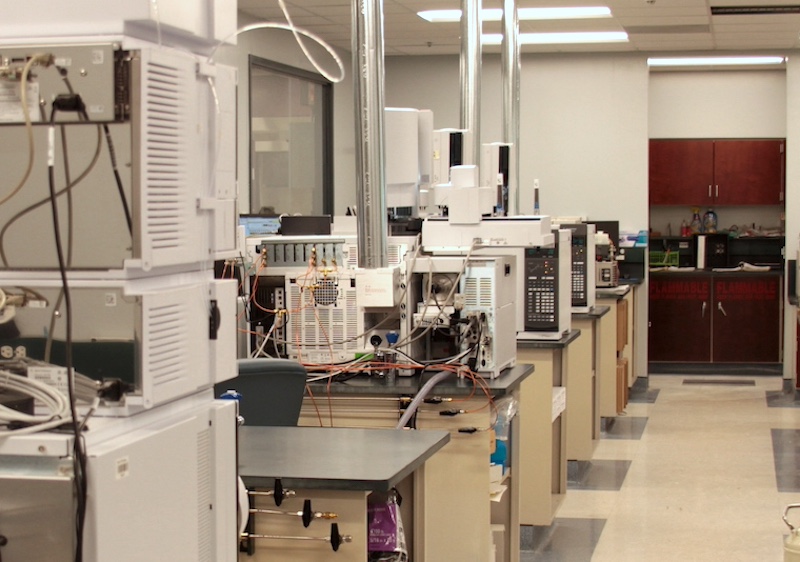
After policy changes and hiring more scientists, Tennessee is seeing its way out of a backlog of rape kits, including those in Nashville.
Metro Council recently approved its latest $250,000 recurring federal grant, which will allow police to send 183 untested kits to a lab with more capacity.
Rape kit backlogs are nothing new in Tennessee. For the last decade, the state has been clawing its way out, particularly when the backlog reached a fever pitch of 9,000 untested kits in 2014. That was the same year Metro built its own crime lab, which now has its own scientists test those kits.
Rachel Freeman, CEO of the Sexual Assault Center, said keeping victims in a holding pattern weighs heavily on their mental well-being.
“Anytime a victim has to wait to find out when their kit will get tested or when they will hear back from someone in the justice system, that just prolongs their healing,” Freeman said.
Wait times for testing kits became a matter of state law. It requires forensic sex assault evidence to be sent for testing within 60 days. Freeman said the issue took on even more urgency in 2022, when a Memphis woman was brutally murdered.
Eliza Fletcher, 34, was jogging when Cleotha Abston kidnapped and shot her. At the time, Abston’s DNA matched an untested rape kit from 2021, linking him to that crime just a year prior. Prosecution for that case could have had the man in custody, but law enforcement officials said the rape kit wasn’t processed until after Fletcher’s murder.
Freeman said instances like that show why testing kits promptly hold value. The state legislature allocated more funding to the Tennessee Bureau of Investigation to hire more forensic scientists to handle the work. The agency has labs in Knoxville, Nashville and Jackson. As of early 2025, the statewide average turnaround time for processing had come down to just under 15 weeks.
Freeman said she lauded the work Metro was doing to clear the backlog. After this round of testing, the city will sit at 200 untested kits.
“I hope that can provide some hope to victims and survivors,” Freeman said. “It is not always the most victim-friendly system, but we are making great strides.”

 On Air - 90.3 WPLN-FM