

If your doctor recommends a big test or procedure, a decision tool with the acronym B.R.A.I.N. can help you talk through options collaboratively. It works at a routine checkup or in high-stakes medical situations like childbirth.
Worried about the mix of meds you’re taking? Start a conversation with your doctor

As people take a greater number of medications across years or decades, experts say the risk for adverse drug interactions increases. One way to advocate for yourself? Keep a list of your meds handy.
The sometimes-awkward art of asking for a second opinion

A doctor has recommended a course of action that is invasive, expensive or somehow different from what you’d prefer. Is it OK to get a second opinion? The answer is yes. Here’s how to make the ask a little less awkward.
Before saying yes to the medical test, know the risks and benefits

Direct-to-consumer tests like full-body scans are marketed as a way to catch diseases early and establish a baseline. But there are financial, physical and psychological risks to all medical tests — and in some cases, not getting a test could actually be better for your health.
HealthQ Special: Caregiving in the Sandwich Generation

Join the conversation as the HealthQ team explores the messiness, humor, and satisfaction that comes with caregiving when you’re sandwiched between aging parents and growing kids.
Worried about your aging parents? Welcome to the caregiving club
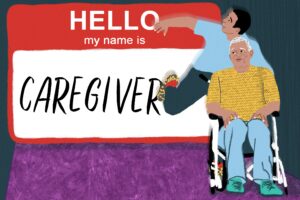
Being a caregiver can start long before you go to a doctor appointment with a loved one or move your parents into your house. The HealthQ team explores how embracing the role matters — and how the recognition and support that come next can ease a difficult season of life.
Early-onset cancers are on the rise. Knowing your family history is crucial.

In the U.S., more than a dozen kinds of cancer are on the rise among people under 50. The HealthQ team shares the latest guidance on being proactive with your family and doctor.
Could Your Kid Benefit From Counseling? Experts Offer 3 Questions To Help You Decide

Anxious kids can benefit from counseling, but therapy demands a commitment of money and time. Therapists recommend using three criteria to help determine when challenging behavior rises to the level of needing professional help.
Focused on work, needed at home – a federal caregiving policy might help

The Family and Medical Leave Act gives eligible employees up to 12 weeks of job-protected leave for caregiving. But the federal policy has noteworthy limitations. The HealthQ team explains.
 On Air - 90.3 WPLN-FM