Thousands of community members and Fisk alumni have expressed opposition to the university’s plans to build a data center on campus. The university president insists that misinformation is fueling many of these concerns, and she is committed to not causing environmental harm to nearby residents.
This private historically Black university nestled in North Nashville is undertaking a billion-dollar-project dubbed the “Quantum Leap.” Set to roll out over the next ten years, it includes a new academic center, dormitory revamping and a 70-thousand square foot data center.
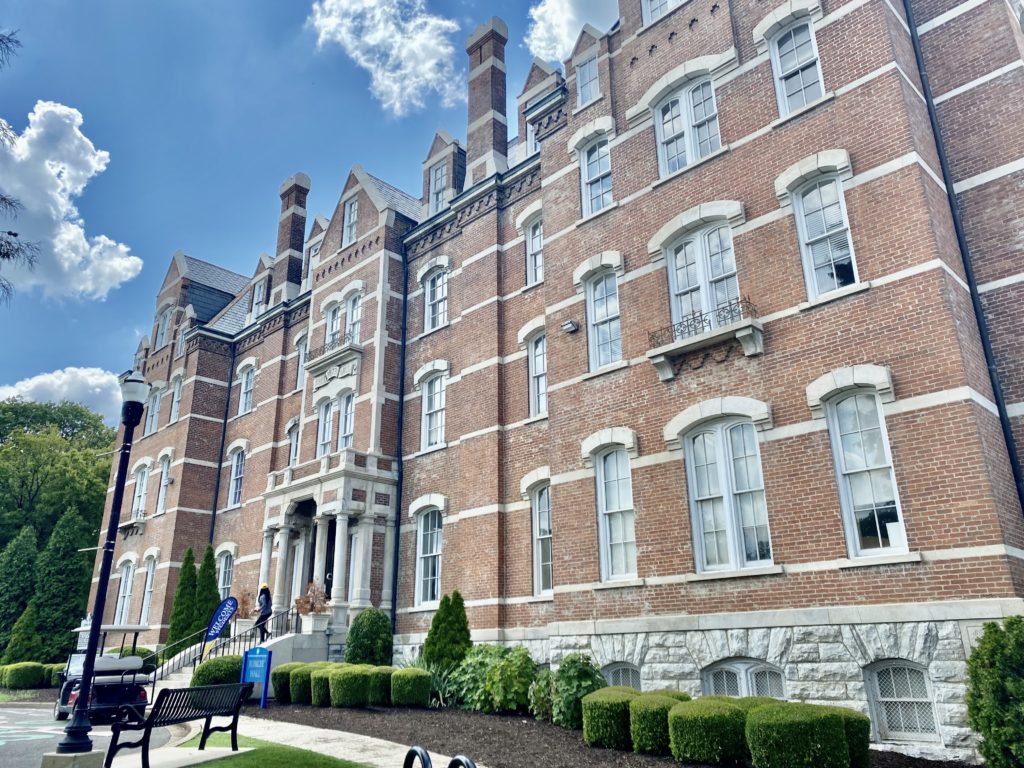
The plan, which was announced during a presentation at the campus’ historic Jubilee Hall in May, has garnered pushback from Fisk graduates and lawmakers, including Rep. Justin Jones, D- Nashville.
Jared Harper, a teacher and Fisk alum, recently spoke before the Metro Planning Commission to ask them to establish guardrails for data centers related to water usage, energy consumption and noise emissions.
“If we get this wrong, the people who will live with the consequences are not the developers or consultants or even a single lawyer who’s getting paid to be here, it will be the residents who call these neighborhoods home,” he said. “Once a facility is built, it becomes much harder to address concerns than it is to prevent them in the first place.
More: Tennessee communities are blocking data centers
Another Fisk alum started a petition, “No Data Center at Fisk,” which has more than 14,000 signatures.
“We understand that throughout history, Black and working-class neighborhoods across the country have repeatedly been the desired location for developing harmful infrastructure for the sake of profit,” the petition reads.
Tennessee has more than 60 data centers and has passed policies to incentivize these facilities.
Misinformation fueling concerns, according to university president
Fisk University President Dr. Agenia Clark is not surprised by the fallout but says misinformation is a driving factor.
“If they knew what Fisk was doing, Fisk would not be in their conversation,” she told WPLN News. “We’ve got to really target educating our communities on the differences between these dirty data centers and this university’s desire to create an innovation center.”
Clark distinguishes that the facility at Fisk will be LEED certified – meaning that it’s focused on environmental cleanliness.
Data centers are physical buildings that manage massive amounts of digital data, and they can often cause conflicts with neighbors over air quality, water use and electricity costs.
In the initial announcement about the renovation project, Clark vowed to “do no harm,” noting that the university was working with Nashville Electric Service to ensure that neighbors don’t see a spike in energy costs.
Additionally, she noted that she spent more than two-and-a-half years researching and visiting data centers that use chip cooling technologies that she says prevent an impact on water supply.
“There’s no desire of this institution to put anything into this community that can have a harmful outcome to the students and faculty who are here every day and to our neighbors,” she said.
Clark also refuted claims that it will be an AI data center. However, she says she’s not sure what kind of center it will be – saying that she’s working with city officials to make that determination.
Finances, funding and future plans
Fisk has faced financial struggles in recent years, resulting in the city repurposing federal pandemic relief funds in 2024 to keep the university afloat. Clark said that this new project will help stabilize Fisk’s financial condition and take the school from “surviving” to “thriving.”
How and who is funding the billion-dollar-project remains unclear. Those details will be revealed in coming weeks, according to Clark, who also noted that Fisk will not sell or buy any land, but will likely enter into some type of lease agreement with its funding partners.
Other future plans include inviting members of the community to Fisk’s campus to learn more about how the renovations will unfold.

 On Air - 90.3 WPLN-FM