
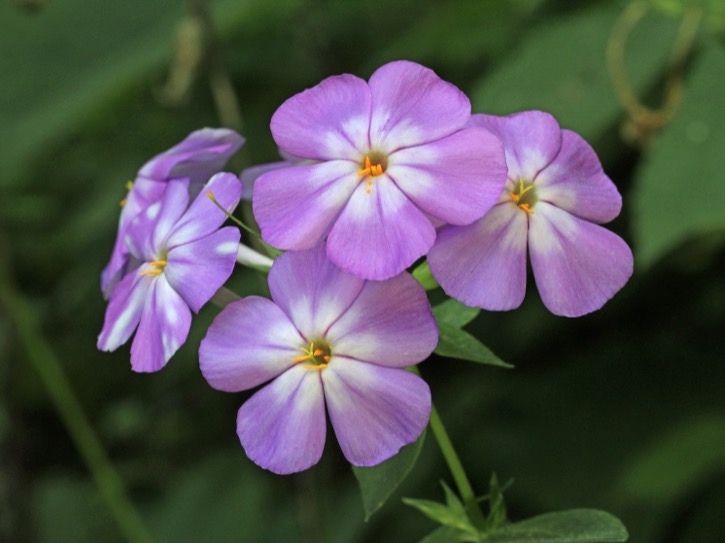
The Cumberland Plateau’s ecology has long been misunderstood.
The southern portion of the Appalachians was once thought to be covered fully in forests, and, today, it represents the longest hardwood-forested plateau in the world.
But clues in the landscape point to a different history of abundant habitat diversity, according to a new report from the Southeastern Grasslands Institute and Austin Peay State University.
The plateau contains 40 ecological regions, and 15 types are considered grasslands or other “open” ecosystems. Examples include prairies, limestone barrens, dry shortleaf pine-oak savannas, bogs and wet meadows.
The report authors developed a plan to save these rare habitats through traditional conservation measures — meaning protecting what’s already there — and researchers modeled areas of the Cumberland Plateau best suited for habitat restoration and species reintroductions.
“Our ultimate goal was to provide a comprehensive conservation vision for the Plateau that will help inform restoration and protection, priority-setting, and implementation,” Dr. Reed Noss, the chief science advisor at the Southeastern Grasslands Institute, said in a statement.
Historic grasslands were largely wiped out from agriculture, pesticides, invasive plants, fire exclusion and the subsequent takeover of closed forest systems. As much as 90% of the state’s grasslands have been lost, according to the Tennessee Wildlife Federation.
Remaining open ecosystems on the plateau are vulnerable to further loss, the report says, along with the birds, butterflies, and plants that rely on them.
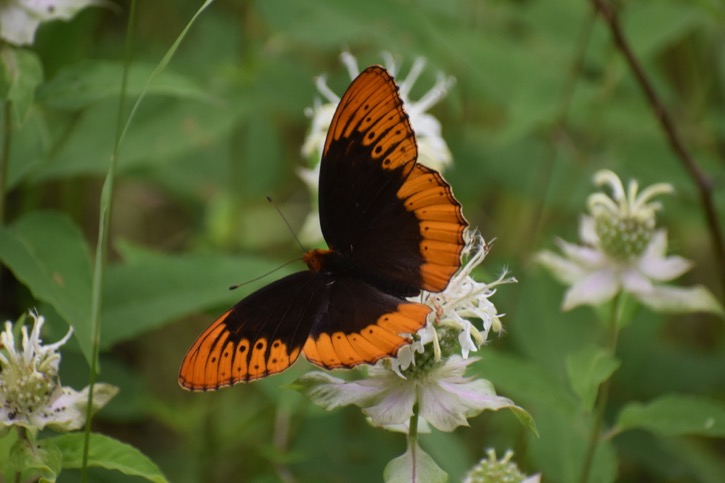 Courtesy Jared Gorrell/Southeastern Grasslands Institute
 The Diana fritillary butterfly is a species of concern in the southern Appalachians.
Grassland ecosystems have far greater plant diversity than forests. There are nearly 50 animals and more than 320 plants of “conservation concern” that rely on grasslands or open ecosystems across the plateau, according to the report.
Conservation potential
To protect this wildlife in Tennessee, the researchers identified two large areas and one valley with conservation potential near Knoxville and Chattanooga.
The Catoosa Wildlife Management Area offers potential for conservation and restoration in Morgan and Cumberland counties, west of Knoxville. Forests are interspersed with open woodlands and savannas in that area.
Also in Cumberland County, the Sequatchie River traverses a narrow valley created by sinkholes between the plateau and down toward the Alabama border, just west of Chattanooga. There, researchers also mapped priority conservation areas within the Prentice Cooper State Forest and Fiery Gizzard State Park and recreation area.
In each region, the report authors suggested a plan to protect the rare species and help connect corridors between conservation areas. Next steps will include further research to identify the best areas within the large sites for habitat restoration.
Grassland species are more tolerant of fire, wind, heat, and drought than forest species. Grasslands may therefore be more resilient to climate change than other land habitats like forests, the report says, because they consist mostly of short-lived species.

 On Air - 90.3 WPLN-FM