I keep a close eye on the rapid evolution of the music world. And the Key Changes series is where I open my notes app and share with you new developments that have my attention, and how I’m making sense of them.
In its 26th year, Americana Fest is well established. At the same time, the industry community that convenes there is perpetually in flux, and the event reflects that.
Even outside the conference boundaries, there will be plenty of unofficial programming. That’s a sign that economic barriers keep some musicians from official participation, a reality that Black Opry and Equal Access teamed up to address this year, and others choose to invest their energy in grassroots alternatives.
Making her first Americana Fest appearance this year is 87-year-old Judy Collins, the great, crystalline-voiced interpreter of folk and pop standards. She’ll be celebrated as one of the scenes stylistic and spiritual predecessors.
At the other end of the generational spectrum, the young, roots-leaning indie rock contingent that’s grown over the last several years will include buzzy new arrivals like Brennan Wedl.
The lineup is nothing if not a big tent, one that’s populated with performers who have a variety of different reasons for taking part.
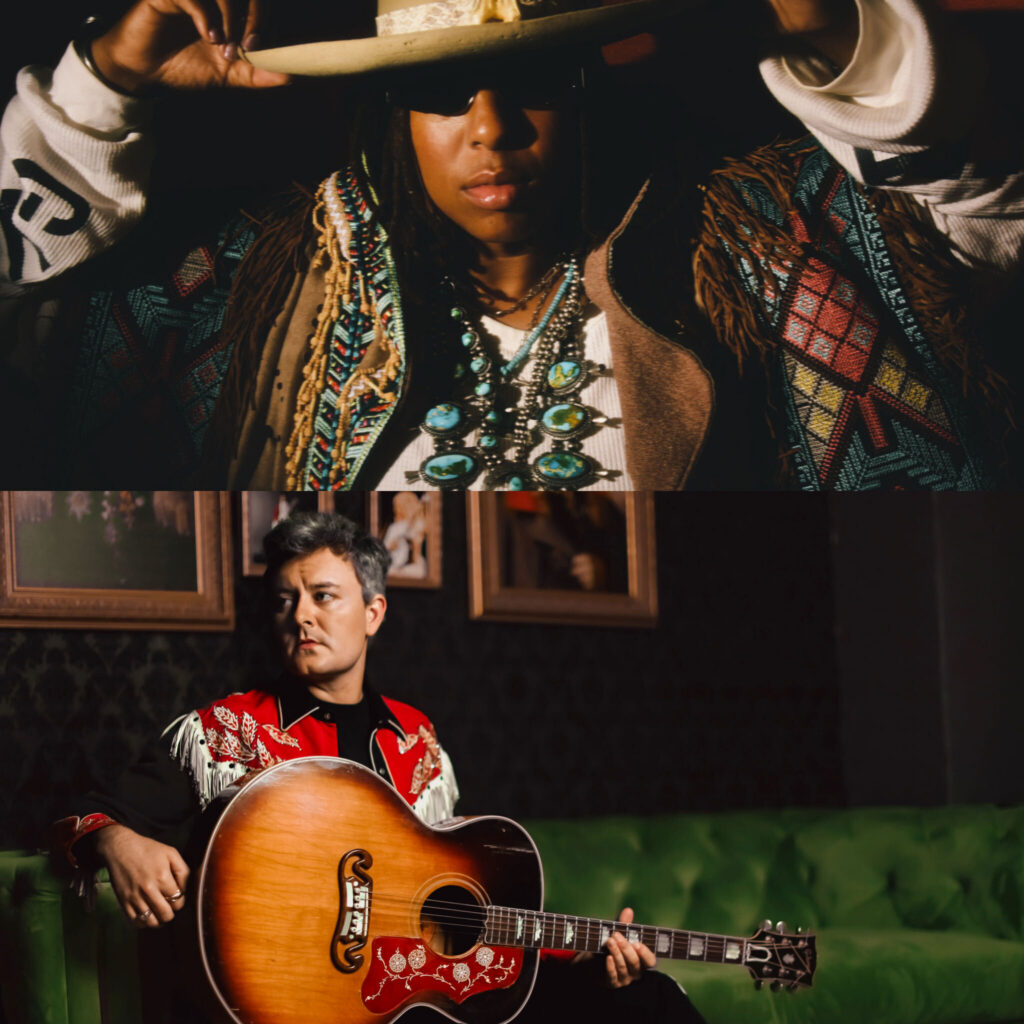
Take Dee White. He first turned heads in Nashville as a college-age kid who summoned old country, folk and blues forms with thoughtful ease and possessed an old-school grasp of songwriting as refined craft. Plus, his singing style — clean, supple and sweetened by emotion — set him apart from rougher-voiced male peers.
White has experienced what it’s like recording with widely revered producers including Dan Auerbach and Tony Brown, releasing music both through a major country label and independently and touring with country and bluegrass icons and roots-rockers alike. And it’s solidified his sense that he’s suited to all of it, at least stylistically.
“I always tell people I make country and Americana music,” he explains. “And I feel like that’s especially important to say in the United States, because I go wherever else, Europe, Australia, New Zealand, and it’s ‘Dee White Is a country guy, country artist.’ Nobody calls me an Americana artist anywhere except the United State. It’s kind of hilarious to me. But whatever. I love it all.”
Professionally, though, the distinction has become clearer. After White’s opportunities in the country music industry slowed a bit, he found Americana to be a more hospitable scene. His monthly residency at Dee’s Country Cocktail Lounge, a series of multi-artist tributes to long-gone legends like Patsy Cline and Don Williams, attracted the Americana Music Association as a partner, and he’s been preparing to return to Americana Fest with a set boasting material destined for a future album that he’ll have a hand in producing.
“If it’s coming out of me,” he says, “it’s always gonna be me no matter what phase I’m going through or project I’m working on.”
INK, on the other hand, is one of the artists testing the waters this year.
“I’m not going to Americana Fest just looking for permission and validation,” she clarifies. “I’m not new to the industry. I’m looking for anybody to adopt me. I’m genuinely going because I’m curious and I’m a lover of the music.”
She achieved notable songwriting success in pop, EDM, hip-hop and R&B on her way to helping shape both Kendrick Lamar and SZA’s Luther Vandross-sampling, dominant chart-topper and several of Beyoncé’s history-making country bangers.
That positioned INK to write with Nashville acts.
“I brought my understanding of rhythm, melody, phrasing, pop structure, my R&B vibes, the hip-hop background, being from the South and growing up in Baptist Church, my love for gospel music,” she says of her stylistic fluency. “Those things really are already all over modern country music.”
Then she was ready to apply her chops to her own debut album, “Big Buskin,” which invoked time-tested country and folk themes of restlessness with downhome authority, sticky hooks, interludes and effortless swagger.
Though a country record label released it last year, the industry took little notice. “It was never really a question of whether [the] musical ideas [I bring] belong there,” she reflects. “I feel like it was more of a question, ‘Do I belong there?’ It taught me an important lesson: sometimes the industry can be comfortable just consuming your influence before it’s comfortable really giving you ownership of that identity.”
INK has only been aware of the Americana scene for a short time. But the very idea of it strikes her as an expansive enough category to encompass all the musical tributaries flowing through her imagination. “The word itself, Americana, is fascinating to me, because I’m an American,” she says. “So of course, I love anything that is Americana, anything that is folky, anything that is real instruments and vulnerable and the stories, songs and things that people can rally around. I grew up on the front porch, singing songs with my grandma. So, as far as I’m concerned, I’m as Americana as anybody.”
INK’s clear on what she’s looking for from her first show at the festival: “I don’t need another genre to fit into. I just need the space and the opportunity to show up as myself.”
 On Air - 90.3 WPLN-FM