
The Nashville Symphony is suspending the rest of its season and furloughing musicians and staff.
The symphony’s board said Monday that the unanimous decision comes amid a “financial emergency.” It follows one week after the organization announced a $10 million budget deficit. The board plans to restructure to find long-term financial stability.
The decision means 27 full-time employees and all 77 musicians are on furlough, marking a “profound hardship,” says CEO Mark Cantrell, who was appointed in August. In a statement, Cantrell said the staff is owed “honesty about what happened” and that the situation demands “plain speaking.”
“For years, this institution has operated on a financial foundation that could not sustain it,” Cantrell said. “The extraordinary generosity of one donor sustained the organization, but that generosity was never a substitute for the broad community support and sound financial stewardship its future requires.”
On Tuesday, one day after going public about the restructuring, Cantrell stepped down. He’d been brought on with a track record of helping orchestras carry out turnaround plans. In Nashville, his tenure lasted less than two months.
The board appointed Mark Tillinger as president and CEO. Tillinger previously served on the board, helped select current Music Director Leonard Slatkin and has worked as an advisor to CEOs. He is also a musician — co-founder of Music City Brass Ensemble and the principal tuba player in the Nashville Philharmonic Orchestra.
“My focus is clear: rebuild our financial foundation, strengthen our fundraising and revenue strategy, and position this organization for a strong, sustainable future,” Tillinger wrote Tuesday.
A history of financial troubles
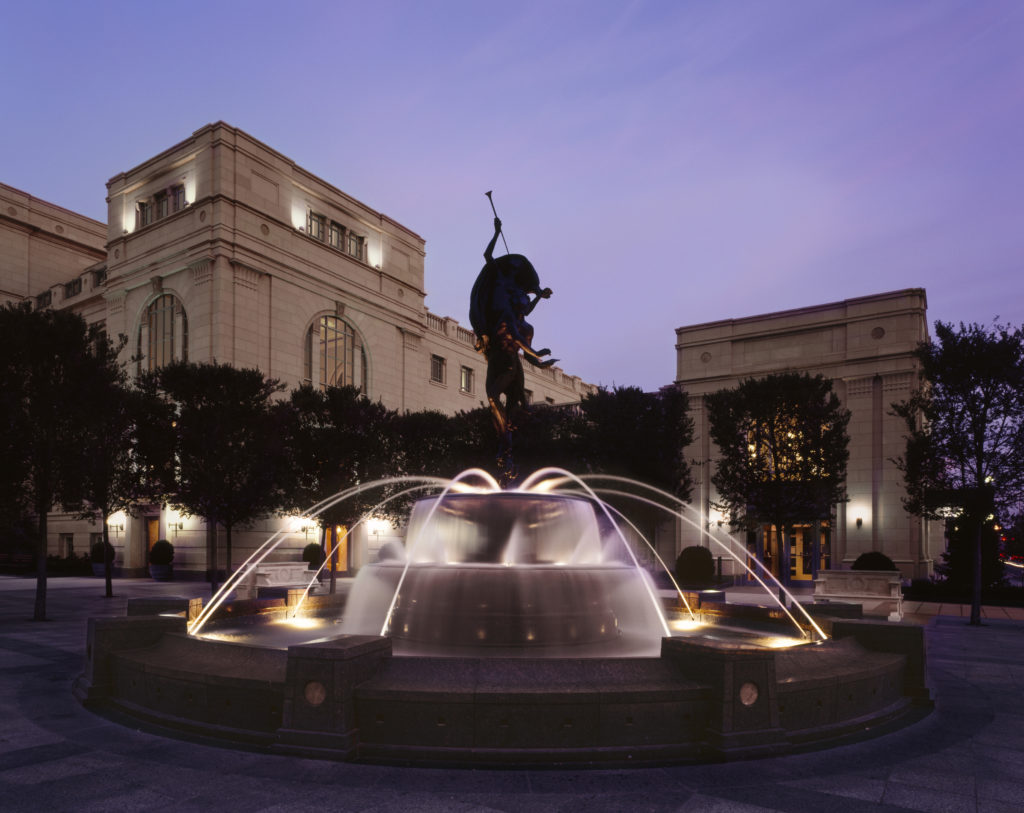
This is not the first such financial crisis for the symphony since the early 2000s, when it built the Schermerhorn Symphony Center with a large mortgage. The orchestra moved into the Schermerhorn in 2006. Two years later, the recession crippled investments and fundraising.
In 2010, flooding filled the basement with water, destroyed instruments, and damaged the structure. Repairs cost $40 million.
By 2013, the symphony was $83 million in debt. After narrowly avoiding foreclosure, the symphony was rescued by a substantial donation from philanthropist Martha Ingram.
Timeline: Nashville Symphony’s Money Ups And Downs
What happens next?
The symphony said its two signature fundraising events — the Symphony Ball on Dec. 12 and the Symphony Fashion Show on April 27 — will take place.
Five independent productions will go forward, and scheduled weddings and events will be able to take place — and private bookings and rentals will remain available.
People who have purchased tickets can apply for a credit to a future performance or convert the ticket value into a tax-deductible donation to the symphony.
The symphony also has a newly elected board chairperson, Teresa Sebastian, who said the restructuring will require “a new direction from our leadership, new discipline around fundraising and revenue growth, and a long-term plan we can stand behind.”
Among the steps will be diversifying the organization’s donor base and establishing a new endowment strategy.
Music Director Leonard Slatkin, who took the helm earlier this year, said he plans to stay through the challenging time.
“I am filled with deep gratitude for everyone who has poured their talent, care, and dedication into this orchestra,” he said.
On social media, the symphony is vowing that “the music will go on.” Posts ask supporters to make donations and to share favorite symphony memories using the hashtag #OurNashvilleSymphony.
Update: This story was updated Tuesday to reflect new developments with the symphony CEO.
 On Air - 90.3 WPLN-FM