Three years ago, Nashville tried out something called “participatory budgeting.” It’s where residents got to vote on how to spend $10 million of government money.
The project followed two smaller, less expensive pilots tested out in Bordeaux and North Nashville. In 2023, using funds from the American Rescue Plan Act, Metro opened up the project to the entire city: Any Nashvillian ages 14 and up — regardless of housing status or citizenship status — was invited to vote on 35 projects, one from each council district (a list whittled down from over a thousand submissions).
Ultimately, 24 projects won funding. Many have been completed. But the ARPA dollars are set to expire at the end of this year, and not everything will get across the finish line.
Redirected dollars
In recent weeks, some South Nashville residents have sounded the alarm that money that should have been used for a greenway expansion at Whitfield Park instead went to a bathroom renovation.
“In March, mid-March, [Metro] Parks quietly pulled the plug and redirected that half million dollars elsewhere,” said Mark Schlicher, the participatory budgeting delegate for District 27, at a recent Greenways and Open Space Commission meeting. “They never told the community, they never told the council member and they never told you.”
Because the ARPA money must be used by the end of this year, Metro set an internal deadline — the end of June — to ensure all available dollars are put to use.
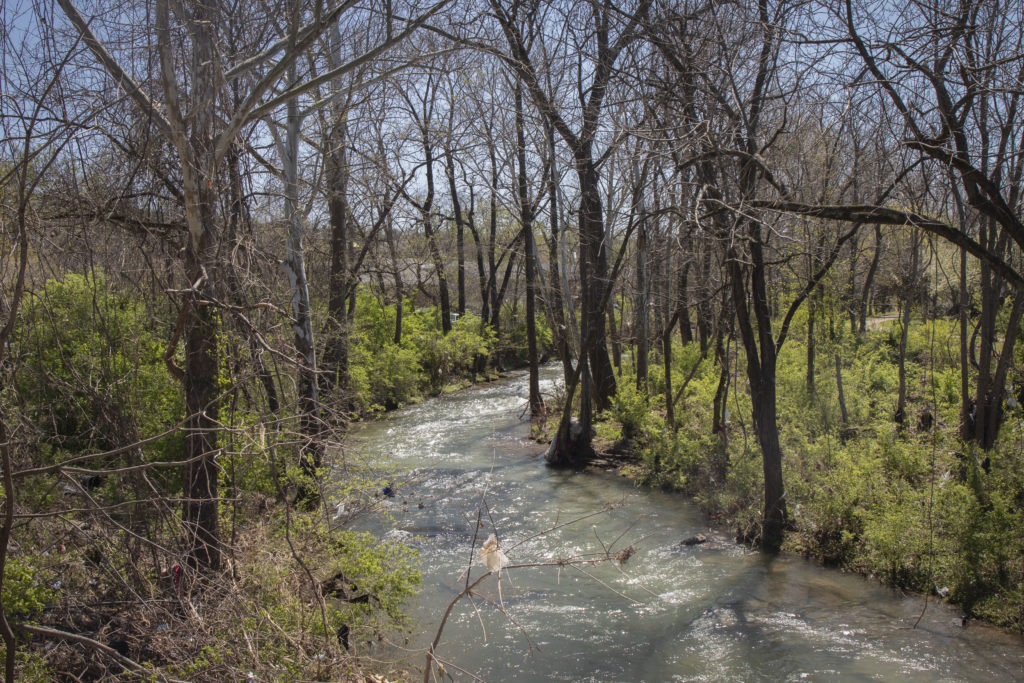
That’s what happened with Whitfield Park’s Seven Mile Creek Greenway: the Parks and Recreation department was slow to build it, and it looked like it wouldn’t get finished in time. So, the money was used for bathrooms at the same site, which could be completed sooner.
Metro Finance says that the Parks department reached out in April, saying it could not complete the greenway expansion in time, and wanted to redirect the funding. Metro Parks did not respond to WPLN’s request for comment about why the greenway was delayed.
And, while most of the winning participatory budgeting projects are complete, there is one more in a similar position: Bus shelters planned for Dickerson Pike and Grizzard Avenue could not be finished in time. That money will instead go to other city projects that are already in the works.
Indie Pereira, another District 27 resident who spoke at the Greenways and Open Space Commission meeting, said the outcome makes it “hard to trust” that the city would follow through on projects.
“We didn’t vote for a bathroom, we voted for a greenway,” Pereira said. “This was a promise that was made to our community. And we want you all in Parks to keep the promise that was made to us.”
Building public trust — and holding governments accountable — is what champions of participatory budgeting say it seeks to accomplish by including resident voices in public budgeting decisions.
But Nashville’s attempt didn’t make it past the first round in 2023. When Nashville Mayor Freddie O’Connell took office that same year, he opted not to continue the process, citing low engagement and concerns that it makes people work for dollars on projects that simply deserve funding.
More: What went wrong with Nashville’s participatory budgeting attempt?

 On Air - 90.3 WPLN-FM