


There are no shortcuts to quality local reporting. It takes time to interview, read, research, bear witness, request records, crunch numbers and connect the dots.
Then you’re only partway there. You still need to write, revise and edit. And then record and produce the story (if it’s for radio and podcast) and think about how to tell the same in-depth story in short-form on social media.
Getting to do all of this is a privilege at WPLN News, where our listener-members want the team to explain what’s happening, share fresh insights and reveal new information. Today we’re highlighting five times when WPLN stayed with complex and evolving stories to help all of us better understand our community in 2025.
 Cynthia Abrams WPLN News
Thousands gathered at Bicentennial Mall for ‘No Kings’ protest on June 14.
One of the most urgent challenges throughout 2025 was tracking federal policy and funding changes under the new administration of President Donald Trump. Developments moved quickly for several WPLN beat reporters, pushing the newsroom to explain rapid changes and capture the experiences of impacted residents.
- Who’s at risk of deportation? A guide to the U.S. immigration system, and what it means for Tennesseans
- Trump administration could have wide-reaching effects on Tennessee school lunches
- At least 20 jobs cut at Mammoth Cave National Park amid Trump administration purge
- Food aid interruption would mean hard decisions for nearly 700K Tennesseans
- Nashville Masses are emptier as the threat of deportations looms
- Tennessee has seen 100+ ‘billion-dollar disasters’ since 1980. NOAA will no longer document them.
- Federal cuts hit Nashville’s health department, prompting Metro to weigh further legal action
- Vanderbilt community protests Trump administration’s higher education compact
 William DeShazer for ProPublica
 A mother’s collage of photos of her late daughter.
How a gap in Tennessee’s probation system leaves domestic violence victims in danger
A large share of domestic violence homicide victims — roughly 1 in 4 in Tennessee’s biggest cities – were shot by someone legally barred from having a gun. This sobering statistic is newly available because of the revelatory reporting by WPLN’s Paige Pfleger, who carried out a review of thousands of records in partnership with ProPublica. The reporting also finds a dangerous gap in how people on probation are supervised, and that six women were killed during that vulnerable time.
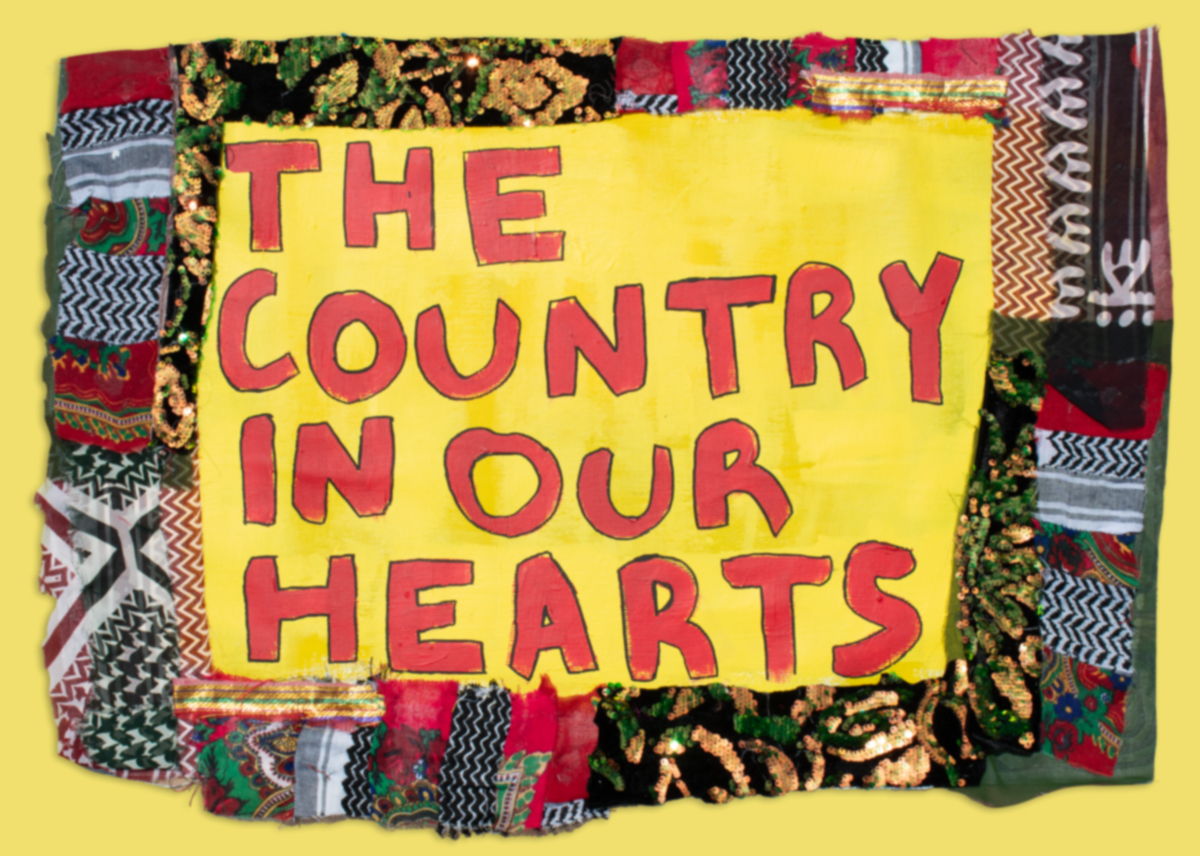
The Country In Our Hearts is the four-part story of how Nashville became home to the largest Kurdish diaspora in America.
The Country In Our Hearts podcast
Nashville is home to the largest Kurdish diaspora in America — and that much, you’ve maybe heard before. But the story of how this came to be is an epic tale of perseverance. Over four parts, WPLN’s Rose Gilbert unfurls the story of the Kurdish people with new depth, honoring the experience and culture of the Kurds and helping everyone to better understand this prominent local community.
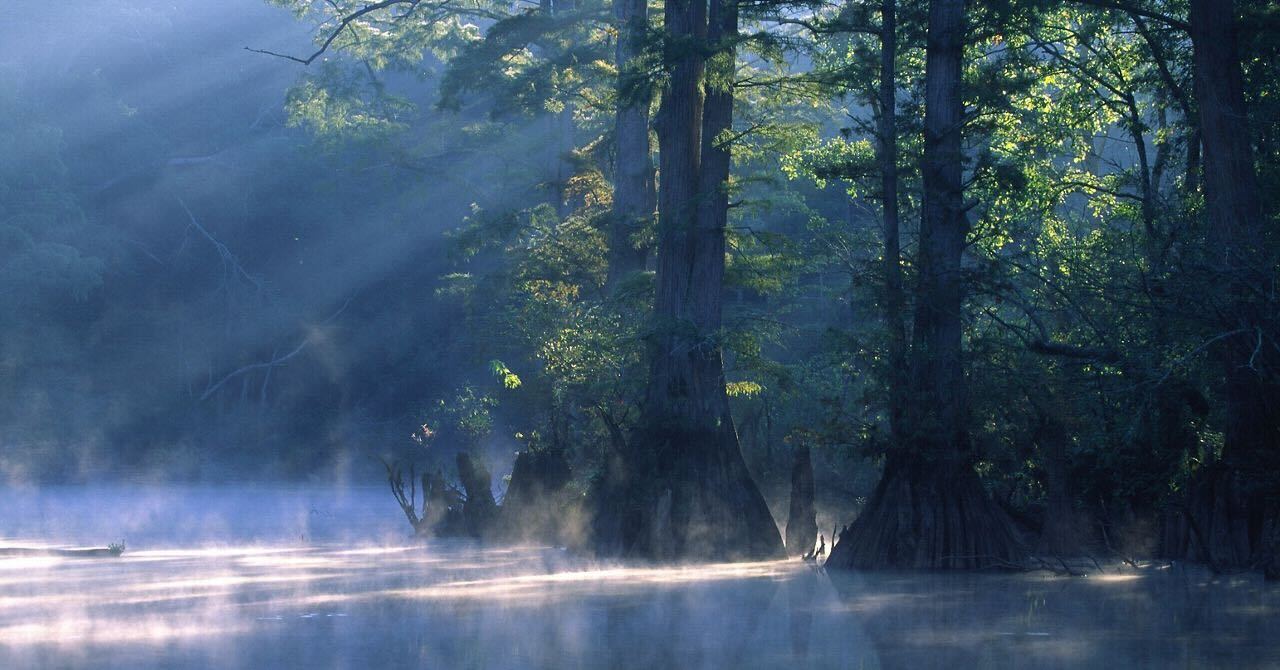 Courtesy Byron Jorjorian/The Nature Conservancy
 Bottomland hardwood forests are also known as “river swamps,” a type of wetland that improves water quality and hosts wildlife.
The future of Tennessee wetlands have driven one of the state’s most intense legislative battles two years running. The tension lies in how to protect the valuable ecosystems and what boundaries will remain in place for developers. WPLN’s Caroline Eggers sheds light on what’s at stake in reporting throughout 2025.
- Who is backing Tennessee’s wetland deregulation effort?
- Isolated wetlands cover just 1.2% of Tennessee. But destroying them will have extensive impacts.
- Tennessee protected 7,400 acres of ‘river swamp.’ The public will be able to visit.
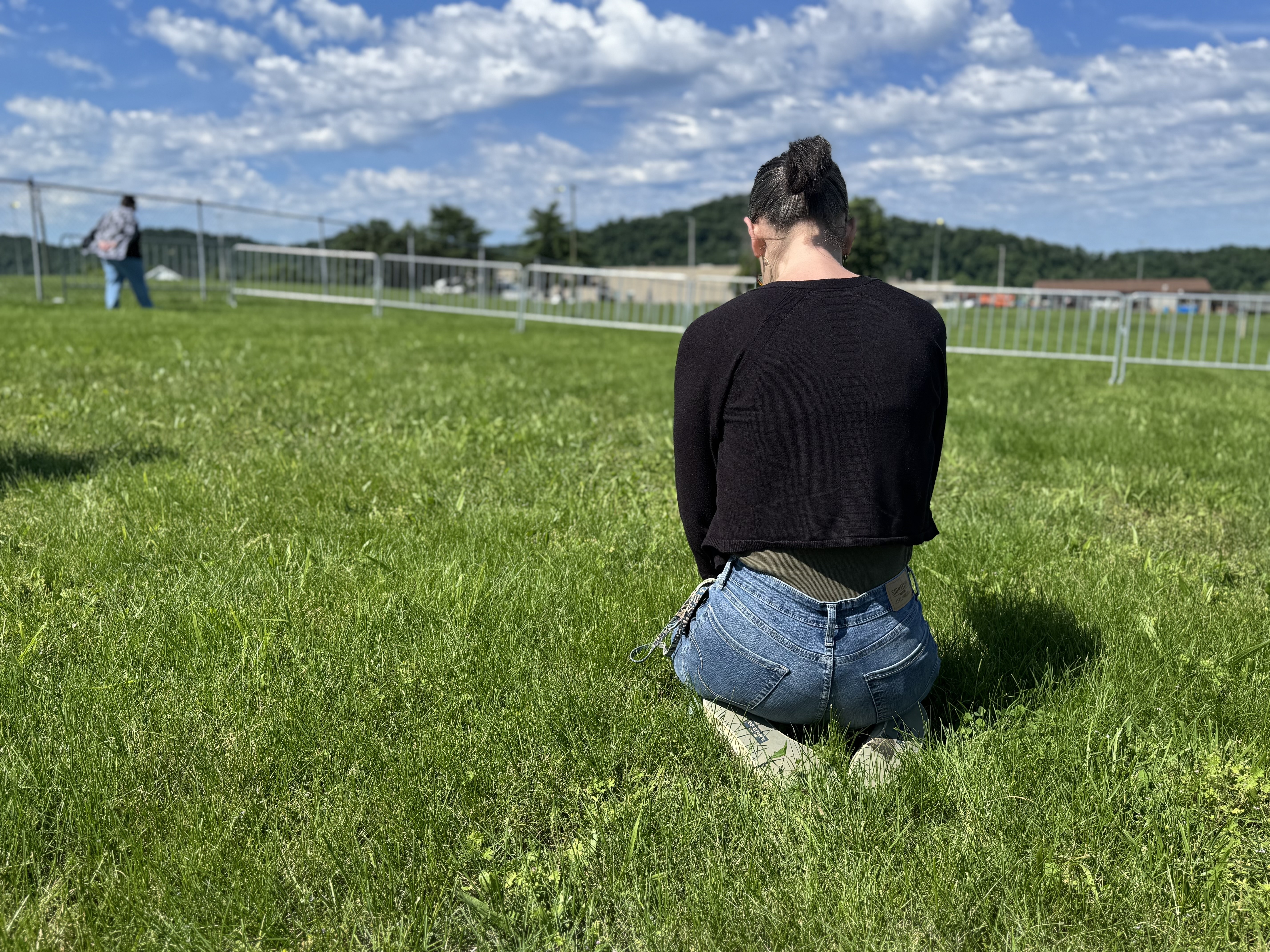 Tasha A.F. Lemley WPLN News
An anti-death penalty protester kneels outside Riverbend Maximum Security Institution on May 22, 2025.
Tennessee carried out three executions in 2025 as new questions arose about the state’s lethal injection protocol. Amid the emotional and divisive topic, WPLN Health Reporter Catherine Sweeney unpacked the complicated nuances of the state’s approach, and how the medical conditions of people on death row create new ethical and legal concerns.
 On Air - 90.3 WPLN-FM