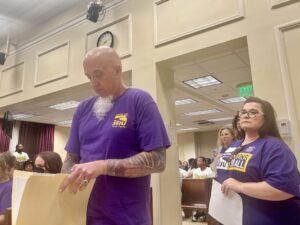
Nashville’s Metro Council is one step closer to finalizing the city budget, and heard from residents about items they would like to see prioritized.
In My Place, Episode 13: The Waiting Period
Welcome back to our second season of In My Place. This special series educates listeners on what communities like Nashville can do to prevent and end homelessness — while caring for our neighbors who are still unhoused.
Nashville’s in-depth affordable housing strategy is ready for public review
The mayor’s plan is meant to address Nashville’s rapidly rising housing prices and rents, which are burdensome for low- and even middle-income residents.
In My Place, Episode 12: Paper Cuts
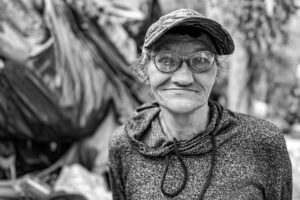
Welcome back to our second season of In My Place. This special series educates listeners on what communities like Nashville can do to prevent and end homelessness — while caring for our neighbors who are still unhoused.
Nashville area sees 161 tornado, thunderstorm and flash flood warnings in two weeks

In the first two weeks of April, Middle Tennesseans received over 160 warnings for flash floods, severe thunderstorms and tornadoes.
In My Place, Episode 11: Building Trust
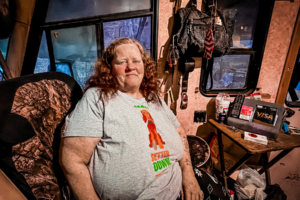
Last month, we explored the first point of contact between people experiencing homelessness and outreach workers, service providers and the police.
A fair housing nonprofit secured upgrades at TN apartments. But federal funding cuts could stall their work.

The modifications come after Gross Residential — an Ohio-based company that develops, constructs and manages retail properties — reached a conciliation agreement with two fair housing nonprofits.
In My Place, Episode 10: The Connection

Today, we kick off the second season of In My Place by exploring what happens when providers first approach people who experience homelessness.
US Justice Department accuses six major landlords of scheming to keep rents high
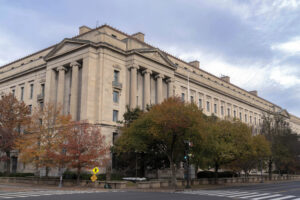
While the housing crisis has been assigned several causes, including a slump in homes built over the last decade, the Justice Department’s lawsuit claims major landlords are playing a part.
 On Air - 90.3 WPLN-FM