


Healthcare Hollow
The demise of hospitals in rural Tennessee is worsening. What’s being done to stop the bleeding? A special series from WPLN News and This is Nashville.
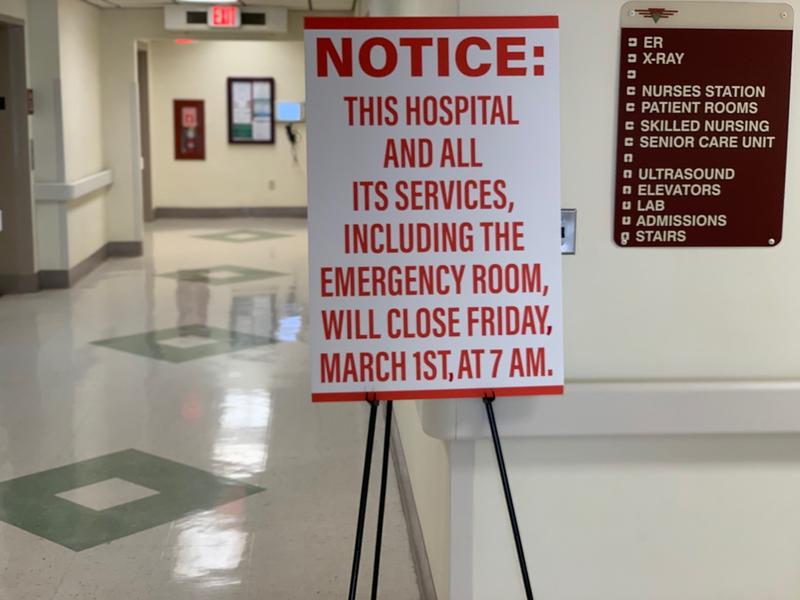
Tennessee has the highest rate of rural hospital closures in the country (KFF Health News). As a result, these rural communities are facing, and attempting to resolve, tough health care challenges. While fraud and mismanagement from private health companies are responsible for some of these closures, the State continues to avoid regulatory action that could curb the deepening health disparities left in their wake. This solutions-focused series will report on patterns of mismanagement, health care issues, and the vulnerable rural communities caught at the center of it all.
This series is made possible in part by the NIHCM Foundation.
Stories in the series
-

Healthcare Hollow: Infections can be deadly in rural Tennessee; one county is trying to change that
In rural Hawkins County, Tennessee, a reliable hospital is 30 to 45 minutes away. That’s precious time without treatment for patients experiencing sepsis, a life-threatening medical emergency.
-
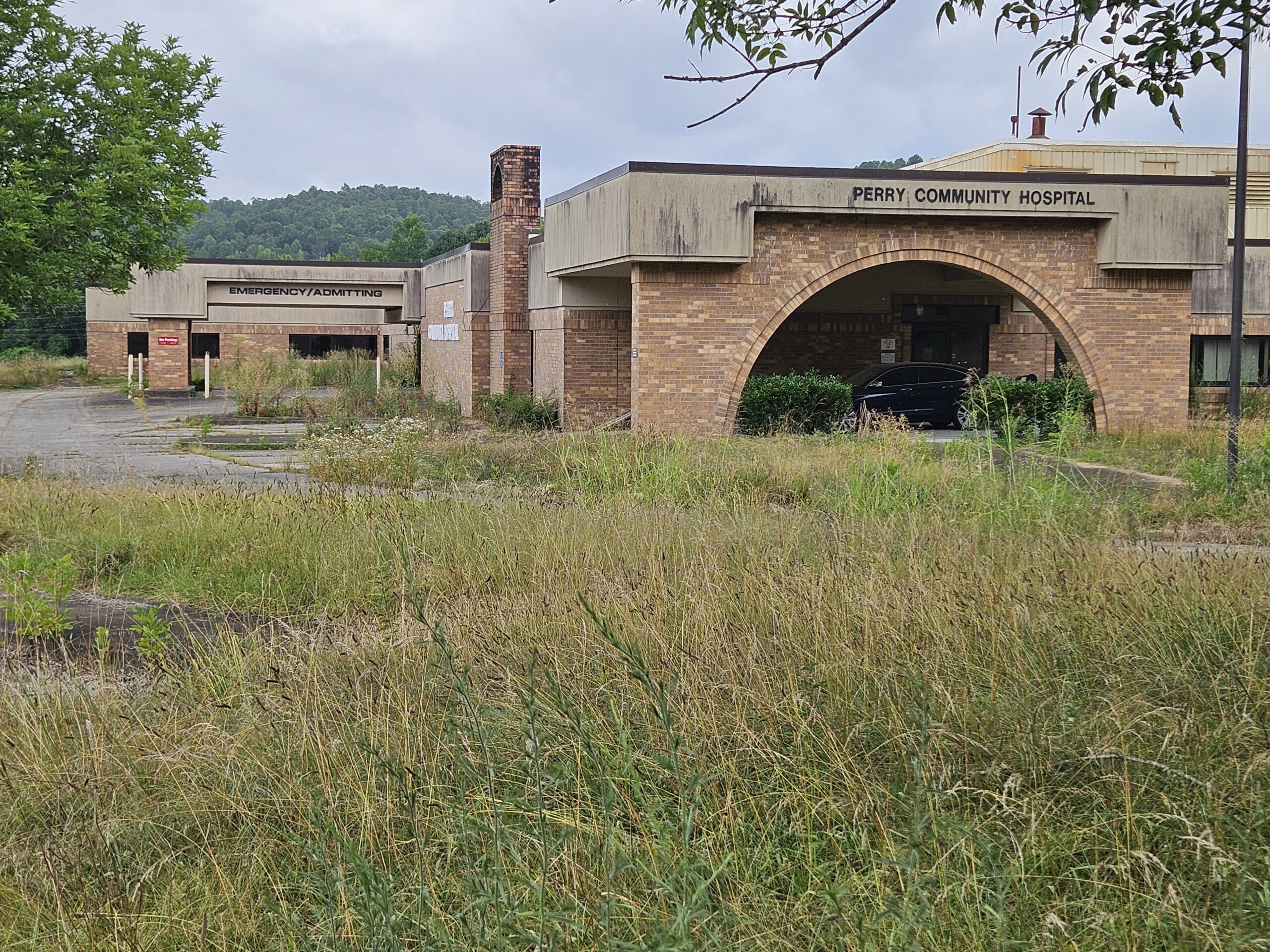
Healthcare Hollow: Linden hospital reopening shows hope for rural health
More than a dozen Tennessee small towns have watched their hospitals go dark. Linden is among them.
This is Nashville episodes
April 7: Linden’s reopened hospital shows hope for rural health
Tennessee could get about $1 billion to invest in its rural health care over the next five years. Gov. Bill Lee and his administration are drumming up excitement for the plan, which they say is an opportunity to rebuild the state’s broken rural health infrastructure. But some critics are worried there may be strings attached.
April 14: Federal rural health funding sounds good, so why are there concerns?
America’s rural hospitals are closing at an alarming pace, and Tennessee holds the highest closure rate. In this episode, Health Reporter Catherine Sweeney and This Is Nashville host Blake Farmer dive into history of these closures. And providers discuss what communities can do to fill in the gaps when traditional health care delivery is hard to find.
Reporters: Catherine Sweeney and Pierce Gentry
Producers: Catherine Sweeney and LaTonya Turner
Editor: LaTonya Turner
Additional editing and guidance: Tony Gonzalez, Megan Jones, Tasha A.F. Lemley.





 On Air - 90.3 WPLN-FM