

Not many 22-year-olds share DJ Mikunda’s enthusiasm for health insurance coverage.
“You know what sounds like a good Friday night? It’s looking at health insurance,” he joked.
But Mikunda has a reason to be eager. He has gone without coverage since he left home and started working in 2023. He’s now a manager at a gas station in St. Louis.
In years past, he’s looked at plans on the health insurance marketplace at healthcare.gov — but the options proved overwhelming and a bit too expensive.
“I feel like I’m a well-informed individual,” Mikunda said. “I try to stay updated on what a deductible is and what the premiums are and copays. And I’m still finding myself a little bit lost.”
To sort through the basics, HealthQ introduced Mikunda to independent assister Jackie Shrago, who has been helping people navigate the insurance marketplace since the early days of the Affordable Care Act.
The QTip: Search for a free “independent assister” on healthcare.gov to better understand your insurance options.
Income drives the conversation
Shrago started by asking Mikunda about his income. How much money you expect to make in the coming year determines whether you’re eligible for reduced monthly payments. The system uses a sliding scale for households making less than 400% of the federal poverty rate — which means, for 2027 enrollees, an individual with no children can make up to $63,480 and still qualify for a discount.
A single person in their mid-20s making $50,000, for instance, would get an average of a 23% discount, according to KFF’s subsidy calculator. For someone making $30,000, the tax credit would cover nearly three-quarters of the cost.
It’s important to estimate next year’s income as accurately as possible. If you end up making more than anticipated, you may owe money back to the government.
“The last thing you want is a surprise when you file your income taxes,” Shrago told Mikunda.
Short-term affordability vs. long-term needs
Then, Shrago pivoted to the other considerations: How much can you afford to pay every month? And what kind of coverage do you really need?
It’s a personal decision about financial planning and risk tolerance, balancing upfront payments with out-of-pocket costs. Mikunda knows he’ll need regular doctor visits and prescription medication, because he has a chronic joint condition that has gone virtually untreated since he started working and lost Medicaid coverage.
So he might consider stretching his monthly budget for a plan that covers more of the medical cost.
Those financial trade-offs drive much of the decision, forcing you to find a “comfortable medium” between the level of coverage you want and the amount you’re willing to pay, Mikunda said.
Gather your decision team
There’s much to consider, especially for a first-timer. But one-on-one help is available on healthcare.gov.
If you click on the link to “Find local help,” you can filter specifically to search for “independent assisters” like Shrago in your ZIP code. Unlike insurance agents and brokers, assisters are forbidden from charging for their services or receiving compensation from insurance companies. (The brokers listed at healthcare.gov far outnumber the independent assisters, but the assisters are findable.)
Shrago also recommends starting the selection process early enough to step away and think.
“If you’re dealing with something that is uncertain enough and you feel really awkward about it, you don’t need to make a decision today,” she said. “Take your time and think about it.”
Assisters tend to have the least availability right before the Jan. 15 deadline, so reach out early.
People and Policy
The Trump administration cut funding for independent assisters and navigator nonprofits by roughly 90% in 2025. When making that announcement, the Centers for Medicare & Medicaid Services said the program was inefficient, costing more than $1,000 per person enrolled. The reduction in funding means fewer people helping. In Ohio, for example, the number of paid navigators serving state residents dropped from 50 to five at the start of open enrollment in 2025.
Katherine Ruppelt and Emily Siner at Nashville Public Radio contributed to this report.
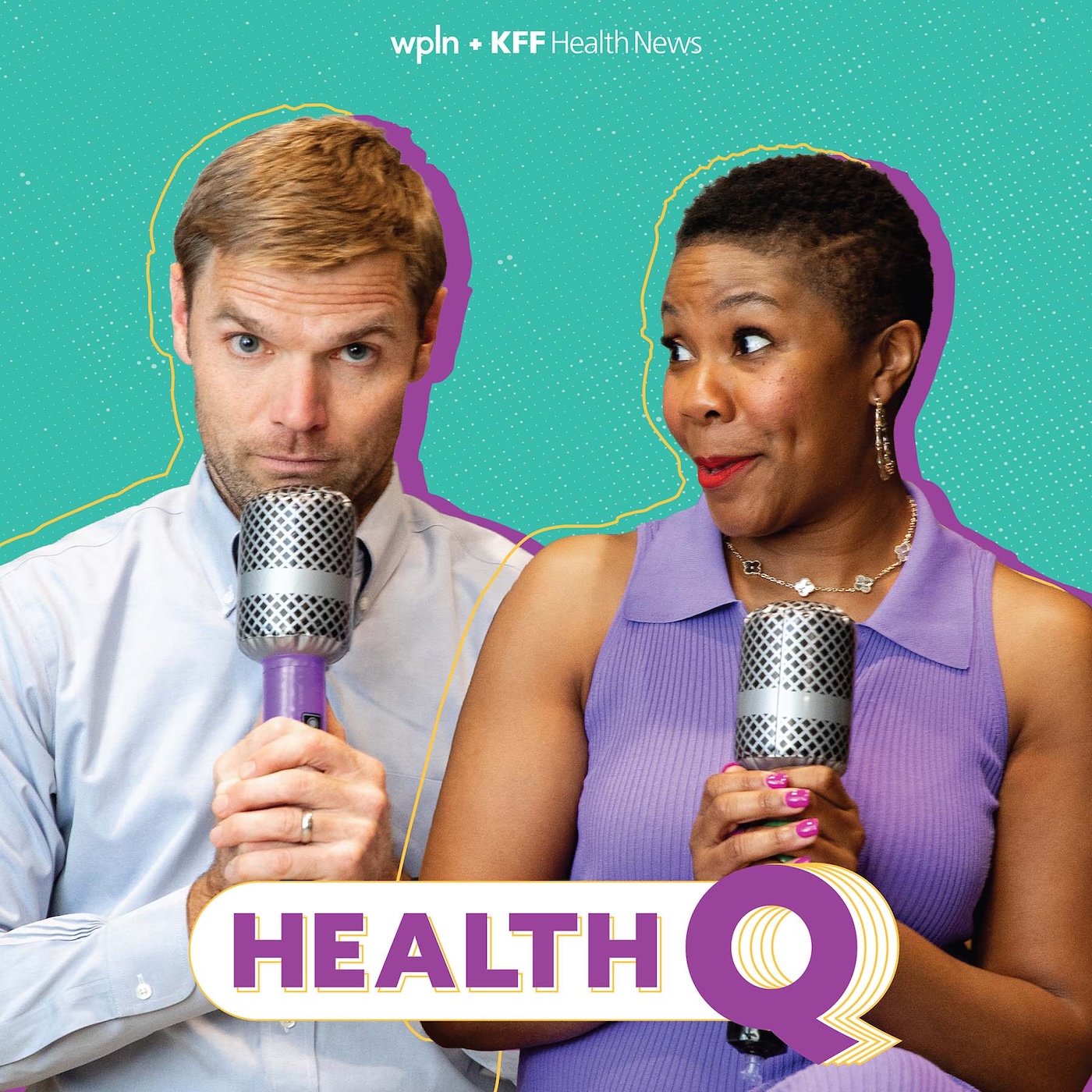
HealthQ is a health series from reporters Cara Anthony and Blake Farmer, approachable guides to an unapproachable healthcare system. It’s a collaboration between Nashville Public Radio and KFF Health News.

 On Air - 90.3 WPLN-FM