
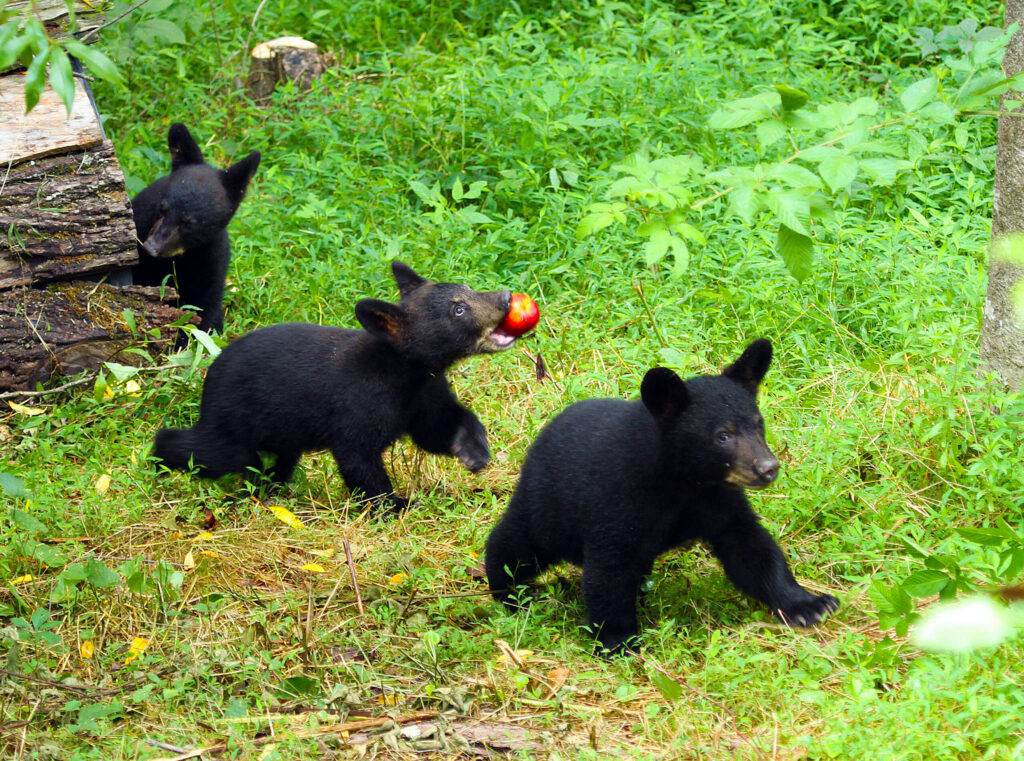
Black bear cubs orphaned in the wild may soon have a temporary home. The Appalachian Bear Rescue is a 30-year-old wildlife rehabilitation facility near Gatlinburg that just reopened after a lengthy closure.
In late 2024, the rescue stopped taking in bear cubs following a pneumonia outbreak. The Tennessee Wildlife Resources Agency, or TWRA, euthanized 13 cubs at the facility and halted the rescue’s intake, prompting broad public concern.
The two groups have since set up an agreement with new protocols, and the rescue raised more than $800,000 to build a new habitat enclosure and improve the existing facilities.
“Raising the amount of money we did and accomplishing this work in that period of time seemed insurmountable a year and a half ago,” said Greg Grieco, director of the Appalachian Bear Rescue.
More: Black bears are threatened by climate change. How can we help? | WPLN News
As part of the updated rules, the rescue has a limit of three bears per half acre, unless cubs are part of a quadruplet litter. The facility will now only rehabilitate bears from Tennessee, unless they’re from the Great Smoky Mountains National Park or the Big South Fork National Recreation Area, which overlap with North Carolina and Kentucky, according to the agreement.
Ensuring black bear cub survival
Black bears usually birth cubs at less than half a pound in January and rear them for about 18 months, according to the National Park Service. But cubs in Tennessee lose their moms to car crashes, starvation, hunting or when TWRA euthanizes them after conflict with humans.
Rehabilitation supports individual animal welfare and can even serve as a tool for restoring bears to previously occupied habitats, according to a 2024 scientific review of rehab practices by the International Association for Bear Research and Management.
Many research efforts, including one centered on the Appalachian Bear Rescue, have found that rehabbed bears have survival rates similar to their wild counterparts and die of similar causes. Researchers are still investigating the conditions needed for the best survival rates, however.
“Survival can be affected by both age and body mass at release,” the review states, emphasizing that release age appeared to be the most important predictor of survival.
 Courtesy Appalachian Bear Rescue
 Black bear females rear cubs for about 18 months in the wild, according to the National Park Service.
Bear rehab facilities across the U.S. and Canada tend to release bears at an average weight of more than 80 pounds and at an average of 14 and a half months old. The Appalachian Bear Rescue historically released cubs in late fall or winter and recorded successful survival rates.
By contrast, TWRA set a new target of releasing bears at an average of 40 pounds during the summer months, which means the bears would typically be at most about eight months old.
Grieco hopes to track survival rates moving forward to ensure the new protocols will still give rescued cubs the best chance at healthy lives in the wild.
“We’re going to try to confirm that for our concerned supporters and followers to make sure what we’re doing is working effectively,” Grieco said during a June press conference.
TWRA wrote in its agreement that it will amend policies based on the best available science, so “new knowledge or techniques may evolve that could allow for potential changes in these methods.”
Bear cub rehabilitation does not really impact the greater bear population, but the program does help spread public awareness about bear-safe practices, TWRA biologist Janelle Musser said during the press conference.
“Ultimately, that’s what will prevent not only bears needing to be put down for being a risk to public safety, but also some of these orphaned and abandoned cubs as well,” Musser said.
Grieco suggested the platform given through the program was also important for other local wildlife and education about development and habitat loss.
“We can really affect some change in the perspective on living responsibly with our wildlife,” Grieco said. “If we can help bears, or at least just not hurt them anymore, we can help a lot of other natural resources in Tennessee that people care about.”

 On Air - 90.3 WPLN-FM