
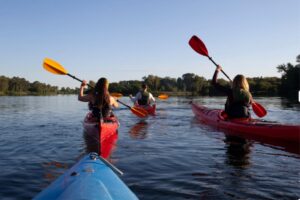
Summer is on the way! Swimming, kayaking, canoeing, paddle boarding, or fishing! There are so many ways to enjoy being on the water. Today, we’re talking with local water enthusiasts about their favorite ways to jump in — and what you need to know to get out there to join them — and stay safe.
PFAS-contaminated sewage sludge is spreading across Tennessee lands. The state might intervene.
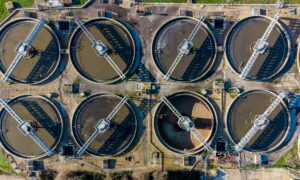
Tennessee farmers and landowners are using treated sewage as fertilizer across open lands, and some of that sludge is contaminated with toxic chemicals.
Tennessee creates new office for ‘outdoor recreation’

A new office within Tennessee’s state environmental agency will be tasked with getting people outdoors.
NashVillager Podcast: Safe boating on Midstate lakes

How do Nashville-area lakes balance the thrills of water sports with safe boating practices? Plus your local newscast for June 3, 2024.
A small Tennessee town’s sewage system might be polluting the Duck River
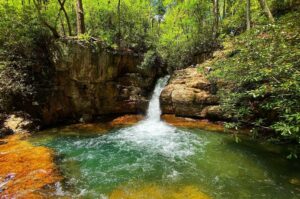
For at least three years, the wastewater treatment plant in Chapel Hill has repeatedly violated state pollution limits for treated sewage discharges.
Vanderbilt University to host conference on the future of Tennessee’s land, water and energy

Vanderbilt University is hosting its second annual “State of the Environment” conference on Monday to address Tennessee’s biggest environmental challenges and opportunities.
Karst, small streams and many Tennessee wetlands will continue unprotected following latest ‘WOTUS’ lawsuit

A federal judge has blocked the Biden administration’s new rule aimed to define which of the nation’s waterways need protection.
Is PFAS in your water? Tennessee is promising answers soon on cancer-linked chemicals

We don’t know how much PFAS is in Tennessee because we have limited data, but state testing and a new EPA requirement may soon give us a better idea.
Droughts will worsen in Tennessee. The state lacks a real plan, a new report finds

Tennessee last released a drought management plan in 2010. A new report says the state is unprepared to respond to future droughts exacerbated by climate change.
 On Air - 90.3 WPLN-FM