

Is Tennessee the legal battleground for a conservative push to end anti-pollution lawsuits? Plus, the local news for August 11, 2026.
This data center rivals TVA’s largest coal plant for climate pollution

Power plants, an oil refinery and a chemical plant are among Tennessee’s top climate polluters. If Elon Musk’s sprawling xAI data center campus in Memphis were included in that lineup, it would rank second.
Nashville passes first regulations on data centers, as city officials promise more action

The Metro Council has now passed limits on where new data centers can go in Nashville, as well as their use of power sources like on-site gas turbines. Mayor Freddie O’Connell says additional efforts are moving forward, including one targeting the proposed data center near the Nashville Zoo.
Nashville’s data center ordinance lost a key environmental safeguard. What you need to know

Nashville’s city council will consider finalizing new legislation on Tuesday to regulate data centers, but a key environmental safeguard was stripped out earlier this month, with potentially serious consequences for public health and the environment.
What DC BLOX’s murky plans in Nashville signal for electricity costs, environmental impacts

Data center developer DC BLOX may be planning a bigger facility near the Nashville Zoo than the company initially revealed. Or it may end up being smaller. Details of the planned project have evolved, sparking widespread concerns.
Why Nashville will struggle to block the DC BLOX data center near zoo
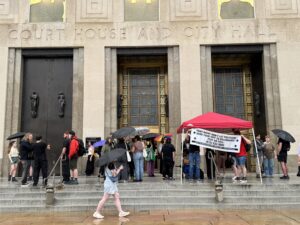
A data center planned near the Nashville Zoo may still be able to muscle through legal hurdles, new city legislation and an enormous wave of community pushback.
Tennessee’s air pollution is about to get worse. TVA’s fossil fuel lawsuit explained

The Southern Environmental Law Center is set to sue the Tennessee Valley Authority for plans to run a coal plant and a gas plant on the same property near Clarksville.
Tennessee’s biggest coal ash site is polluting water. TVA plans to make it permanent

Tennessee’s largest coal ash site could become a permanent source of pollution near the Cumberland River.
Elon Musk’s xAI, pollution and data centers — what you need to know about a Tennessee bill
Data centers are popping up, causing concerns about electricity use, and prompting a question: Should data centers be able to produce their own power?
 On Air - 90.3 WPLN-FM